
Why Distinctive Packaging Sets Baltimore Brands Apart

In Baltimore, where the confluence of historic grit and modern creativity fuels everything from craft brewing to medical tech, first impressions are non-negotiable. Whether your product lands in a Fells Point boutique, a Hampden pop-up, or a mid-Atlantic distributor’s warehouse, custom packaging design isn’t just about looks—it’s about staking a claim on the shelf and telling a Baltimore story before your customer even takes a closer look.
The urgency around innovative packaging solutions in Baltimore comes down to hyper-local competition and rising consumer expectations. Local shoppers are highly attuned to authenticity and social impact; they gravitate towards brands that blend local identity with visually engaging presentation. Distinct visual solutions give Baltimore products an edge, especially in fast-evolving spaces like artisan foods, biotech startups, and legacy manufacturers transitioning to direct-to-consumer markets.
Three key dynamics define packaging design here. First, Baltimore’s industrial heritage still matters—packaging that references local materials, maritime motifs, or historic color palettes taps into authentic city pride. Second, sustainability isn’t an afterthought; consumers and business buyers expect eco-conscious choices without sacrificing quality or bold aesthetics. Finally, there’s serious opportunity in merging digital and physical storytelling—QR codes, augmented reality, and vivid product renders are transforming how customers experience brands in neighborhoods as diverse as Remington and Canton.
Picture a stationery startup leveraging recycled steel-blue papers, echoing the city’s portside past; or a distillery bottling craft spirits with tactile, locally commissioned illustrations that shift perceptions at trade shows and on social media. Baltimore companies that coordinate packaging with broader branding campaigns—similar to how bold narratives are crafted in other dynamic U.S. markets—see measurable lift in consumer recall and shelf impact.
Looking forward, the convergence of design, technology, and place-based storytelling is raising the bar. As e-commerce continues to connect Baltimore makers with new audiences—and as customers demand packaging that reflects both eco-values and city pride—staying ahead will require deeper integration of the city’s artistic flair with rigorous, commercial sensibility. Local brands that invest in strategic visual solutions now position themselves not just to stand out, but to lead as new trends, materials, and audience expectations reshape Baltimore’s product landscape. For inspiration on how event design intersects with visual branding, see the creative approaches highlighted in Kansas City’s environmental design scene and explore how dynamic pitch design can enhance your next product launch. Additionally, integrating impactful techniques from social media design—as seen in innovative Boston agencies—can further amplify Baltimore’s packaging story across channels.
The video above reframes packaging design as an art—one that’s especially relevant in Baltimore’s interconnected ecosystem of small businesses and makers. Seeing detailed local examples equips business owners to make smarter decisions about material selection, brand alignment, and shelf strategy. In a city where competition is fierce and creative differentiation drives loyalty, those visuals bring clarity to what truly works for Baltimore’s entrepreneurial scene.
For established brands and ambitious startups alike, leveraging these insights makes the leap from generic packaging to memorable, market-ready solutions far more achievable. As the local landscape tilts toward premiumization and story-driven products, awareness—and mastery—of best practices in packaging design becomes an ever-sharper competitive advantage.
By providing a hands-on look at 3D mockups and digital tools, the second video highlights how technology accelerates concept-to-market timelines—a crucial edge for Baltimore companies balancing artistic ambition with manufacturing realities. These approaches resonate with local audiences who value craftsmanship and innovation, helping both startups and iconic firms keep pace as the demands of online retail, custom batch production, and omni-channel branding continue to evolve.
Creative Packaging Inspirations That Celebrate Baltimore’s Unique Spirit
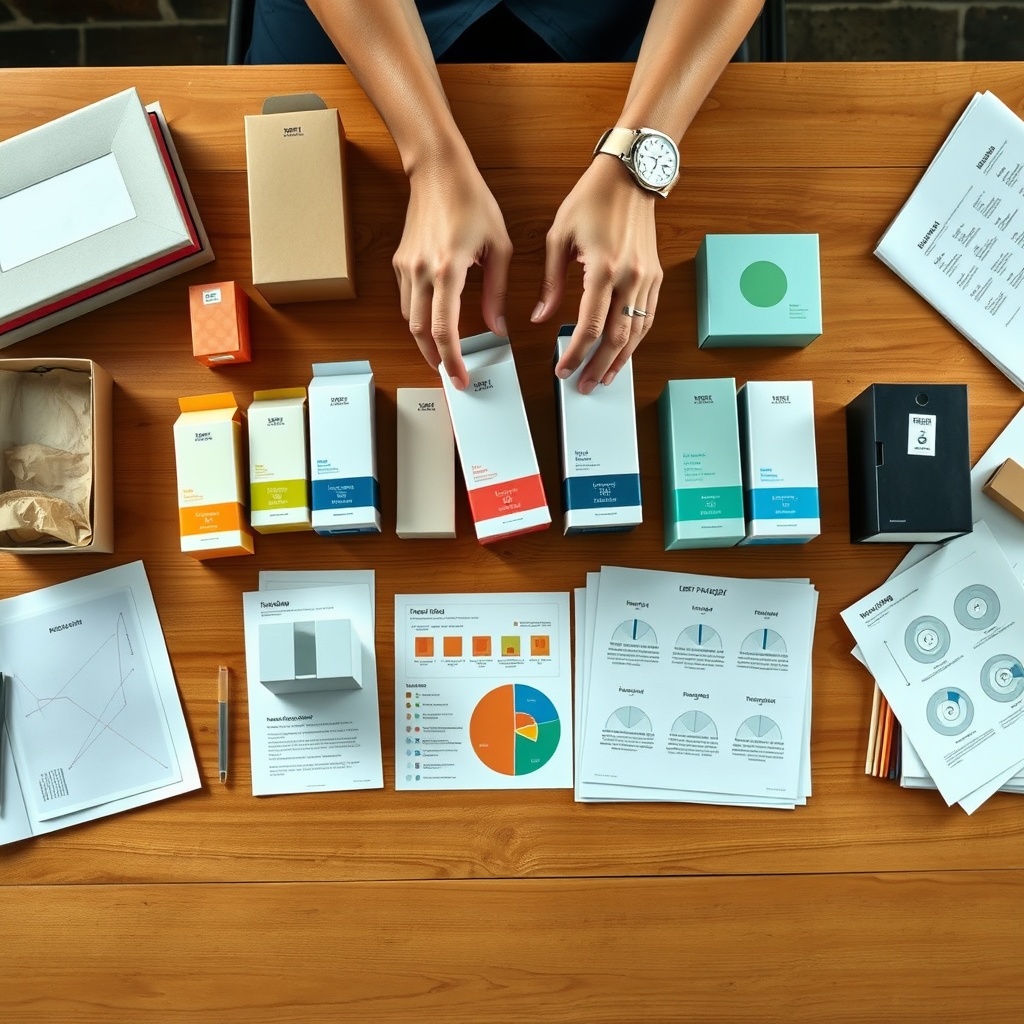
Baltimore, with its rich industrial history and vibrant art scene, offers a unique backdrop for innovative packaging design. Whether you're a local artisan or a large manufacturer, the city’s spirit can infuse your product solutions, making them stand out. Traditional, one-size-fits-all packaging methods lack the local flavor and fail to encapsulate what makes Baltimore products distinctive. Instead, tapping into Baltimore's cultural narrative can lead to packaging that not only protects the product but also tells a compelling story. Here are some creative ideas and insights designed specifically for Baltimore’s market, that go beyond generic approaches to embrace the city’s essence.
-
Incorporate Baltimore’s Iconic Landmarks
Utilize recognizable elements like the Inner Harbor or Fort McHenry in your packaging design. These symbols resonate deeply with locals and tourists alike, creating an emotional connection to the product.
By weaving local imagery into your design, you invoke a sense of pride and place that enhances the aesthetic appeal and strengthens brand recall.
-
Use Eco-Friendly Materials with a Story
Baltimore consumers are increasingly drawn to sustainable solutions. Choose eco-friendly packaging materials that tell a story of environmental responsibility, aligning with the city's growing dedication to green initiatives.
Local Insight: Emphasize the reuse and recyclability of materials as a nod to Baltimore's commitment to a cleaner Chesapeake Bay.
-
Highlight Local Arts and Culture
Baltimore’s creative community is active and diverse. Collaborate with local artists to feature unique artwork on packaging, thereby directly supporting the local art scene and adding cultural value to your product.
This strategy transforms your packaging into a canvas that showcases Baltimore’s vibrant artistic expression, attracting art lovers and creating a collectible experience.
-
Blend Traditional Craft with Modern Design
Combine traditional craftsmanship techniques with cutting-edge design to create packaging that honors Baltimore's industrial past while looking toward the future.
This approach can manifest as hand-tied labels or digitally printed designs, merging the old and new in a way that differentiates your product.
-
Embrace the Nautical Theme
Baltimore’s maritime heritage provides a rich theme for packaging design. Consider nautical elements such as ropes, anchors, or maps which echo the city’s connection to the sea.
Such thematic packaging evokes adventure and authenticity, attracting consumers who appreciate heritage with a modern twist.
-
Utilize Interactive Elements
Create an experiential unboxing journey that surprises and delights. Consider adding QR codes that link to Baltimore-based stories, virtual tours, or music playlists.
Technology Engagement: This integration of tech fosters a deeper consumer interaction, enhancing brand engagement through digital storytelling.
-
Seasonal and Event-Related Designs
Capitalizing on Baltimore's diverse events and festivals by designing limited edition packaging can greatly increase local engagement. Tailor designs to coincide with events like Artscape or the Baltimore Book Festival.
These limited runs instill a sense of urgency and exclusivity, compelling purchases and building community ties.
-
Celebrate Local Ingredients and Processes
If your product uses local ingredients or follows traditional Baltimore processes, make sure your packaging highlights these elements. Transparency about local sourcing and craftsmanship can build consumer trust.
Hierarchically, these details offer authenticity and provenance in a market that values locally rooted stories.
| Aspect | Generic Strategy | Baltimore-Inspired Strategy |
|---|---|---|
| Design Elements | Standard, universal motifs | Local landmarks and cultural symbols |
| Material Choice | Conventional materials | Sustainable, story-driven materials |
| Cultural Relevance | Minimal, broad appeal | Strong, local narrative |
| Consumer Engagement | Basic functionality | Interactive and experiential elements |
This video on packaging design fundamentals offers valuable insight into creating 3D mockups, an essential step in visualizing innovative concepts. Specifically for Baltimore-based designers, these skills translate into more compelling pitches for unique, local-focused designs.
Understanding the mechanics of design and visualization from this perspective can significantly enhance a brand’s ability to produce packaging that resonates with Baltimore's vibrant community and cultural landscapes. Embracing this creative process is vital for brands seeking to differentiate themselves in a market that values both heritage and forward-thinking innovation.
Understanding Packaging Design and Visual Solutions in Baltimore

Baltimore's unique blend of artistic flair and industrial heritage offers a fertile ground for innovative packaging design and visual product solutions. However, the intricacies of standing out in this vibrant market can leave local businesses uncertain about the most effective strategies. With a rich history in both art and manufacturing, Baltimore presents particular trends and audience behaviors that businesses must navigate to capture and sustain consumer interest. Understanding these local nuances is crucial to crafting packaging and visual solutions that truly resonate with Baltimore audiences.
The local market saturation and ever-evolving consumer expectations present significant challenges for businesses striving for differentiation. Baltimore's dynamic scene encourages creativity but also demands authenticity and cultural alignment to avoid audience fatigue. This FAQ section addresses these aspects, offering insight into how businesses can approach packaging design and visual branding strategies that align with Baltimore's unique ecosystem.
How can Baltimore's artistic heritage influence packaging design?
Leveraging Baltimore's artistic heritage in packaging design can add layers of cultural richness and authenticity that resonate strongly with local consumers. The city is known for its vibrant arts scene, prominently featuring murals and public art that reflect its unique identity. By incorporating elements inspired by local art forms or collaborating with Baltimore artists, businesses can create packaging that not only stands out but also tells a compelling story with deep local resonance. However, while artistic influences can elevate packaging designs, they must be skillfully balanced with branding goals to maintain a cohesive and authentic brand image.
What should businesses consider when using locally inspired visuals?
When using locally inspired visuals in packaging, businesses should be mindful of authenticity and relevance. Baltimore's deep cultural roots and community dynamics mean that local references must be meaningful and respectfully integrated. It's essential for designs to be both engaging and reflective of the community's values and aesthetics. Additionally, businesses must ensure that visuals are not superficially added merely to capture attention but rather to enhance the overall brand narrative. Consideration of these local sentiments can prevent missteps and foster a stronger emotional connection with consumers.
Why might some packaging designs fail to connect with Baltimore consumers?
Packaging designs may struggle to connect with Baltimore consumers if they overlook the need for a genuine local connection. Designs that are too generic disregard the city's unique characteristics and might fail to resonate with the local audience. Consumers in Baltimore expect brands to understand and reflect their diverse cultural landscape and community spirit. When packaging lacks this personal touch or seems disconnected from the local environment, it risks becoming another overlooked product on the shelf. Achieving the right balance between universal appeal and local specificity is key.
How does audience fatigue impact packaging strategies in Baltimore?
Audience fatigue is an ongoing concern in a saturated market like Baltimore, where consumers are constantly exposed to myriad products and designs. To combat this, businesses need to innovate while maintaining a level of consistency that consumers can identify with. Creating dynamic, interactive, or even environmentally friendly packaging designs can capture renewed interest. It's vital for brands to regularly assess their packaging strategies, ensuring they evolve with consumer expectations and preferences while remaining grounded in brand values that Baltimore residents can trust.
What are the risks of prioritizing creativity over function in packaging?
While creative packaging can differentiate a product, prioritizing creativity at the expense of functionality can backfire. In Baltimore, consumers appreciate design innovation but not at the cost of practicality. Packaging that is overly complex or difficult to use may frustrate consumers, ultimately leading to negative brand perception. Balancing innovative design elements with usability ensures that the packaging enhances the overall customer experience without compromising the product's integrity. Businesses need to weigh these factors carefully to avoid alienating Baltimore's discerning consumers.
Can incorporating local narratives boost brand loyalty in Baltimore?
Incorporating local narratives into packaging can significantly boost brand loyalty by fostering a sense of community and shared identity. Baltimore consumers often respond positively to brands that reflect their city's stories and values, which can cultivate deeper emotional bonds. Such narratives need to be authentic, avoiding clichés or stereotypes, and should align with the broader brand story. By indicating a commitment to the community, businesses not only enhance loyalty but also differentiate themselves from competitors in the crowded Baltimore market.
How can businesses ensure their visual solutions stand the test of time?
To create visual solutions that endure, businesses need to combine innovation with timeless design principles. In Baltimore, where cultural and aesthetic expectations constantly evolve, staying relevant involves anticipating trends while ensuring a solid grounding in classic design elements. Visual solutions should be flexible enough to adapt to changing consumer preferences yet remain consistent with brand messaging. Collaborations with local artists and designers can infuse fresh perspectives, ensuring that designs reflect both longevity and innovation within the dynamic Baltimore scene.
Why is alignment with Baltimore's cultural trends important for packaging success?
Alignment with Baltimore's cultural trends is crucial for packaging success because it ensures that products resonate with local interests and values. Baltimore's diverse demographic and vibrant cultural expressions create a dynamic backdrop for packaging designers to draw inspiration from. By aligning with the city's cultural pulse, businesses can create packaging that speaks directly to consumers, fostering brand affinity and trust. This alignment demonstrates a nuanced understanding of the market, which can be a decisive factor in capturing consumer attention and loyalty.
What role does sustainability play in Baltimore's packaging design scene?
Sustainability is increasingly becoming a vital component of Baltimore's packaging design scene. With growing environmental awareness among consumers, there's a demand for packaging solutions that are both innovative and eco-friendly. Sustainable packaging design can attract environmentally-conscious consumers and position a brand as a responsible entity in the local community. In a city known for its ecological initiatives and community-driven values, businesses can leverage sustainable practices not just as a trend but as a core aspect of their brand identity, reinforcing trust and credibility with Baltimore's audience.
| Creative Aspect | Contrasting Factors |
|---|---|
| Authentic Storytelling | Local Resonance vs Generic Volume |
| Innovative Design | Functionality vs Aesthetic Novelty |
| Community-Driven Narratives | Emotional Connection vs Overreach |
For Baltimore's businesses, navigating the interplay between creative storytelling and practical packaging solutions is crucial. The contrasts outlined in the table underscore the choices that need careful consideration to ensure packaging designs meet both commercial and cultural objectives. By maintaining a keen insight into local trends and consumer expectations, businesses can develop packaging solutions that effectively capture and sustain market attention without compromising authenticity or functionality. This balanced approach not only promotes successful local engagement but also fosters a robust and lasting brand presence within Baltimore's dynamic market.
Addressing Oversight Risks in Baltimore’s Visual Packaging Initiatives

Baltimore’s unique blend of grassroots creativity and industrial backbone shapes how local businesses approach packaging design and visual product solutions. Yet after the initial excitement of “going custom,” owners often find themselves caught between too many opinions—agency, in-house marketing, store managers, even loyal customers. Small and mid-sized businesses in Baltimore, from Hampden microbreweries to Fells Point artisan shops, experience recurring tension: as packaging projects move from pitch to production, lines around who decides, who approves, and who’s ultimately responsible get blurry. This is especially true when efforts lean heavily into Baltimore’s artistic heritage, demanding more oversight than a generic design brief would.
Given the highly competitive shelves at local retailers and the city’s strong culture of independent expression, accountability gaps can derail even the most innovative packaging initiatives. Stakeholders may assume someone else is checking compliance, verifying local resonance, or scrutinizing print quality. Agencies and designers—some local, some regional—pitch powerful visions, but without clear owner-level governance, mismatches between creative intent and business reality emerge. Owners need a playbook for maintaining message integrity and brand continuity, particularly when local pride and authenticity are at stake.
Guarding Baltimore Brand Authenticity
Every Baltimore business has its own origin story, but few things are as visible—or as vulnerable—as packaging. Owner oversight here means more than nodding at a design moodboard. It’s about ensuring every color, icon, and tagline truly reflects Baltimore’s history, tone, and expectations. If you let this drift, your product risks looking generic in a city that deeply values “real” over “slick.” The strategic intent: protect authenticity as a genuine asset, not a label. Neglect invites branding that feels inauthentic—a fast track to losing local loyalty and shelf visibility.
Driving Collaboration, Not Creative Gridlock
With multiple voices—founders, investors, retailers, agency partners—Baltimore projects often spiral into “design by committee.” Owner responsibility is to facilitate productive debate but enforce final decision authority. The goal is to harness Baltimore’s collaborative spirit without stalling progress. If left unchecked, momentum is sapped, costs rise, and your new packaging may debut late or not at all, costing valuable seasonal sales.
Defining Approval Boundaries with Agencies
The relationship between a Baltimore brand and its packaging agency thrives on shared vision, but oversight fails if approval boundaries aren’t explicit. Who gets final sign-off? Are local compliance or artistic standards non-negotiable? Strategic owner responsibility is to codify these lines up front. Fuzzy boundaries result in rounds of expensive revisions, misaligned expectations, and frustration when agency “creativity” overshadows business needs.
Protecting Message Consistency Across Channels
What passes muster on a mockup might not translate to shelf, online store, or pop-up market. In Baltimore, where word-of-mouth and neighborhood reputation still drive sales, inconsistent visuals undermine credibility. Owner-level vigilance is needed to ensure consistency in color, copy, and iconography—from the Inner Harbor to Canton. If neglected, brand fragmentation follows; customers may doubt authenticity or mistake your product for an out-of-town lookalike.
Ensuring Local Regulatory and Sustainability Compliance
Baltimore’s strong tradition of environmental stewardship and consumer safety means packaging can’t just “look right”—it has to check all the right compliance boxes. Owners must make clear who is directly accountable for verifying local labeling or sustainable materials mandates. If this is ignored, products could face removal from retail partners, legal scrutiny, or negative publicity in a city where word spreads fast.
Setting Metrics for Local Market Impact
Too often, owners greenlight a new package based on aesthetics alone. Responsibility means defining what signals market traction—velocity at local retailers, feedback from key customers, and trade show buzz—before rolling out at scale. Without these Baltimore-tuned metrics, it’s easy to misread the hometown market, overinvest in unproven designs, or misattribute success to the wrong campaigns.
Escalating Issues Before Brand Damage Occurs
In Baltimore’s tight-knit business ecosystem, a minor packaging misstep can quickly balloon into a reputation issue. Owners need to build escalation pathways—when to pull product, when to intervene with the agency, and who makes the call. If escalation routines are unclear, small issues fester, damaging both sales and long-term trust.
The above video showcases how next-level branding elevates not just a product, but an entire business narrative. For Baltimore owners, absorbing this mindset means translating visual excitement into structured, purposeful oversight. It reveals the tension between letting agencies shine creatively and ensuring the final design is not just visually compelling but also strategically relevant—and distinctly Baltimorean. Navigating this balance requires owners to serve as interpreters and enforcers, not just signers of approval forms.
Oversight is not about stifling creative energy, but about channeling it so that packaging elevates both product and brand story within Baltimore’s fiercely proud marketplace. It requires owners to actively monitor for integrity slippage, especially when creative teams are inspired by broader trends that may not resonate locally. The video’s appeal affirms that when oversight is clear, innovation can align with audience nuance rather than risk feeling out-of-place.
| Oversight Area | Owner Focus | Accountability Signal | Outcome When Governed Well |
|---|---|---|---|
| Brand Authenticity | Review design elements for local relevance | Consistent use of Baltimore-inspired motifs | Packaging is recognized as authentically local by customers |
| Collaboration | Set roles and streamline stakeholder input | Decisions anchored to business objectives | Efficient iterations with buy-in and minimal gridlock |
| Agency Approval Boundaries | Define what requires owner sign-off | Documented checkpoint milestones | Approval rounds reduce rework and misalignment |
| Message Consistency | Audit packaging across all sales channels | Uniform branding in store, online, and events | Strengthened brand identity and customer recall |
| Compliance & Sustainability | Assign accountability for legal/eco checks | Verified documentation of compliance | Risk of fines or product pulls is minimized |
| Market Impact Metrics | Track product movement in Baltimore stores | Tangible sales and feedback reports | Confident scaling of winning designs |
| Issue Escalation | Set fast-acting escalation process | Predefined triggers for leadership intervention | Packaging issues contained before harming reputation |
This second video demonstrates the transformative effect of cohesive packaging, underscoring the importance for Baltimore leaders to keep a steady hand on quality, tone, and message. Executive oversight here is not about micromanaging design nuances, but about setting clear boundaries: what must never change (like core colors or narratives linked to Baltimore’s legacy), and where fresh thinking is welcomed.
Effective governance involves more than “final say”—it’s about anticipating where brand erosion might occur amidst rapid market shifts and staying alert to signals of design fatigue or misalignment. Especially in a regional market where trends pivot quickly and neighborhood identities evolve, the executive’s job is to make reality-based choices without losing the authenticity that makes Baltimore packaging stand out.
Oversight Failures That Undermine Baltimore Packaging Initiatives
- Allowing agencies or designers final creative control without structured owner review
- Neglecting to formalize approval roles or boundaries among Baltimore stakeholders
- Missing inconsistencies in local messaging or iconography across sales touchpoints
- Overlooking legal and sustainability requirements unique to Baltimore packaging laws
- Failing to monitor market response, relying solely on agency-provided metrics
- Delaying or skipping escalation when packaging issues surface in high-visibility retail spots
- Allowing “design by committee” to stall or dilute distinctive Baltimore storytelling
Measuring Success Realistically in Baltimore’s Market
Success in packaging design here isn’t defined purely by Instagram likes or agency accolades—it’s about sustained product movement at Baltimore’s retailers and resonance within vibrant neighborhood communities. Leadership must tie evaluation to local revenue cycles: are new packages driving better sales velocity in Charles Village or Highlandtown? Are Baltimore distributors more eager to stock your product as a result? Consider also factors like repeat purchases during city festivals, word-of-mouth pickup, and how often your packaging is featured by local influencers—grounded pressure points that reflect Baltimore’s distinct commercial tempo.
Owners should focus on outcomes that endure seasonal shifts and marketing hype, tracking not just initial launches but month-over-month turns on shelves and the reaction from Baltimore’s highly attuned consumer base. This is where practical governance pays off: the right packaging strategy delivers more than just visual pop—it translates into lasting brand value, local advocacy, and resilient revenue even as Baltimore’s retail climate evolves.
For leaders interested in broader insights, comparisons with other regional packaging approaches—like those in Phoenix’s narrative-driven brand strategy or Albuquerque’s event-focused packaging design—offer useful contrast. Likewise, approaches to event and environmental design, as seen in Kansas City’s event design oversight challenges, can inform how Baltimore business owners structure authority for rollout and brand stewardship.