
Unlocking Baton Rouge’s Signature Impact: The Power of Immersive Event Design

If you’ve ever attended a major conference on the LSU campus, a bustling Mid City festival, or a corporate launch downtown, you know how much Baton Rouge values making bold, memorable connections. Here, every event is a chance to stand out—to transform a gathering into an experience that reflects both local energy and sophisticated ambition. For Baton Rouge organizations, immersive event design and environmental graphics aren’t just about looking good—they're a strategic lever for real-world influence in an ecosystem where first impressions move fast and word-of-mouth drives business long after the event ends.
What’s driving this shift in Baton Rouge? For one, the city’s diverse economy— shaped by healthcare, petrochem, education, and emerging creative sectors—demands that brands speak visually, quickly, and authentically to varied audiences. At local expos, state association summits, or vendor fairs, the most successful organizations invest in environments that immerse visitors in their identity rather than simply hang a banner or logo. With Baton Rouge’s competitive market and unique cultural flair, immersive environmental graphics help brands create those crucial “stick-in-the-mind” moments—especially as audiences trend younger and more design-savvy.
Three forces are shaping the competitive event scene here: First, visually rich design now sets the tone for credibility and relevance across every vertical, from startups at the Water Campus to established names showcasing at L’Auberge. Second, attention spans are shorter than ever, so environmental graphics must condense brand messaging into instantly compelling visuals that thrive in Baton Rouge’s social, media-rich context—think Instagrammable set pieces at Perkins Rowe pop-ups. Third, the flexibility to scale graphics for both intimate gatherings and large-scale events is vital, as local organizations regularly pivot between regional tradeshows and internal team experiences.
Imagine a healthcare brand rolling out wayfinding graphics that become conversation starters at Raising Cane’s River Center, or a new tech venture converting drab conference walls into immersive stories that echo Louisiana’s rich design history. These aren’t hypotheticals—they’re increasingly common, as Baton Rouge firms seek every edge in a landscape where regional credibility translates into commercial opportunity. Insights from other markets—like bold narrative-driven branding in cities such as Phoenix or game-changing experiential design in Kansas City—underscore how strategic design choices can set local businesses apart even further.
Looking ahead, Baton Rouge’s event landscape is only growing more sophisticated. As digital and physical brand touchpoints blur, those who harness immersive environmental graphics will not just capture attention, but set the bar for what memorable, impactful events feel like in this city. In a city fueled by energy, industry, and creativity, awareness isn’t enough—proactive event design is fast becoming the baseline for anyone who wants to be truly remembered here.
Innovative Event Design and Graphics in Baton Rouge: Inspiring Ideas
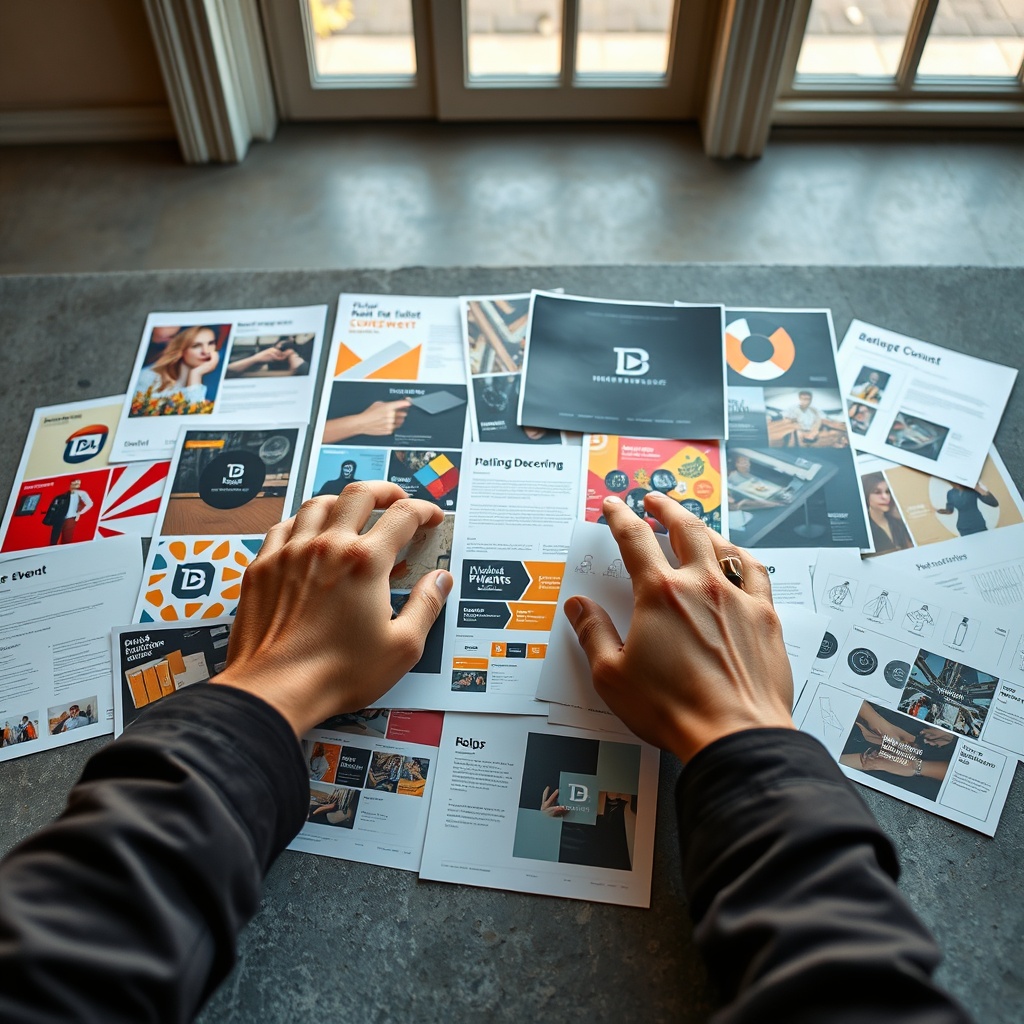
In Baton Rouge, the confluence of rich cultural heritage and modern entrepreneurial spirit makes event design and environmental graphics particularly vibrant. As a hub for industries like petrochemicals, education, and healthcare, Baton Rouge-specific designs can leverage these sectors' unique stories and needs. Generic strategies often fall short in Baton Rouge because they miss this locality's nuanced and energetic pulse. Here, creativity meets opportunity, requiring a bespoke approach to captivate audiences and transform brand presence.
-
Cultural Storytelling Through Design
Harness the rich history and culture of Baton Rouge to tell compelling stories through event design. This involves integrating elements that reflect the city’s French, Spanish, and Creole influences, making your presentation more relatable and engaging.
By embedding local flavor, you make your audience feel seen and appreciated, which is vital in a city that values its unique heritage. Such strategies create deeper emotional connections, distinguishing your brand effectively.
-
Interactive Digital Displays
Incorporate cutting-edge technology with LED screens and interactive displays to create immersive environments that capture the imagination. Baton Rouge's tech-savvy population appreciates innovation, making this an exciting way to stand out.
Interactive displays can include dynamic maps of Baton Rouge or virtual reality experiences that offer viewers a new perspective on familiar sights.
-
Tapping Into Local Art and Artists
Partner with local artists and incorporate their work into your event design. This not only supports local talent but also enriches your visual storytelling with authentic Baton Rouge artistry.
Local art can provide unique backdrops, enhance engagement, and reflect community pride, marking your event as a distinctive cultural occasion.
-
Thematic Immersion Through Scenic Installations
Create themed environments that transport attendees into a different world, inspired by Baton Rouge’s natural beauty — think of installations reflecting the Mississippi River or local bayous.
This type of scenic design offers a memorable experience that resonates with the city’s landscape and spirit, ensuring your brand presence is both memorable and relevant.
-
Local Flavor in Design Elements
Incorporate elements of Baton Rouge's culinary fame, such as colors and textures inspired by local food festivals or renowned dishes, into your event design for a multi-sensory experience.
This method not only attracts food enthusiasts but also nods to Baton Rouge's burgeoning culinary identity, enhancing brand attractiveness.
-
Eco-Friendly Designs for Sustainability
Adopt sustainable materials and processes as part of your event design strategy, appealing to Baton Rouge’s growing eco-conscious community.
Showcasing eco-friendly designs not only helps in preserving local environments but also aligns your brand with values increasingly appreciated by modern audiences.
-
Engaging Signage with a Local Twist
Create graphic signage that resonates with Baton Rouge audiences by using local slang, landmarks, or sports team references, facilitating immediate connection and recognition.
Labels and messages that embody the local dialect and passions forge a stronger bond, transforming typical signage into cultural conversations.
-
Venue Utilization for Community Ties
Utilize notable local venues like the Baton Rouge River Center or LSU Stadium as a canvas to extend your event design. The familiarity of these spaces can enhance audience engagement by merging well-known backdrops with innovative graphic ideas.
These venues, rich in local sentiment, provide additional emotional leverage, allowing your event to resonate deeply with community values and pride.
| Global Strategy | Baton Rouge-Specific Strategy |
|---|---|
| Utilizes generic themes and designs. | Draws on local culture and history for themes. |
| Often ignores local artists and talent. | Integrates and highlights local artistic contributions. |
| Focus on high-tech, broad appeal. | Blends technology with region-specific elements. |
The video showcases breathtaking game environments and offers stylistic inspiration applicable to event design. By integrating such immersive experiences, you can elevate Baton Rouge events beyond expectations, merging digital art with the local ethos.
Viewing an event setting through the lens of immersive design reinforces the idea that Baton Rouge’s event spaces offer more than just functionality — they serve as canvases for innovation and creativity, echoing the city’s dynamic character.
Navigating Event Design Challenges in Baton Rouge

In Baton Rouge, the landscape of event design and environmental graphics is continuously evolving, influenced by local culture and competitive market forces. As the city becomes a hub for vibrant community events and business exhibitions, pressure mounts for brands to stand out. While striving to create impact, there is an underlying tension between maintaining authenticity and drawing audience engagement. Here, we unpack the intricacies of event design in Baton Rouge, offering insights sensitive to both local expectations and creative risks.
Local businesses and organizations seek innovative ways to capture their audience's attention, yet face challenges with content saturation and shifting audience preferences. Establishing connectivity through design means understanding Baton Rouge’s unique cultural pulse, balancing creativity with tradition, and recognizing trends without losing one's brand identity.
How can Baton Rouge-based businesses balance creativity with authentic representation in event design?
For businesses in Baton Rouge, maintaining a genuine connection with the local audience while pursuing creativity can be tricky. Authentic representation requires a nuanced approach that respects local culture and traditions. Design elements should echo the distinctive Baton Rouge flavor, using colors, imagery, and themes that resonate with the community's identity while simultaneously pushing creative boundaries.
Moreover, leveraging local narratives and iconography can enhance authenticity, fostering a deeper connection with audiences. Businesses can collaborate with local artists and cultural experts to ensure their designs are rooted in the community's ethos. This strategy not only garners local appreciation but also positions the brand as an integral part of Baton Rouge's vibrant ecosystem.
However, creativity should not overshadow coherence. An innovative design that seems foreign can alienate rather than engage the target audience. Thus, a controlled balance between creativity and authenticity is key to successful local event representation.
What challenges do Baton Rouge businesses face with audience engagement at events?
Engaging audiences in Baton Rouge presents unique challenges given the city's diverse demographic and cultural tapestry. Businesses often struggle with audience fatigue, where repetitive themes and styles decrease engagement over time. Overcoming this requires fresh, innovative approaches that invigorate interest while respecting ongoing conversations in the scene.
The vibrant mix of cultures in Baton Rouge means audiences are exposed to a variety of events and displays. To stand out, businesses must not only deliver visually captivating designs but also invite interaction and participation. Immersive experiences that allow audience members to become part of the narrative can greatly enhance engagement.
Understanding local events' historical context and cultural significance is another crucial aspect. Attending regional events as participants first can provide insights, allowing businesses to tailor their offerings to better align with audience expectations and preferences.
Why is localized design crucial to event success in Baton Rouge?
Localized design taps into the collective familiarity and shared experiences of a community, which is particularly vital in Baton Rouge. This city is steeped in tradition, and designs that reflect local pride, landmarks, and cultural symbols have proven to be more impactful.
Localized design not only garners attention but also fosters a sense of ownership and pride among locals. When the audience sees their culture and identity represented, it builds a connection that is more personal and lasting. This approach is paramount in a city as culturally rich as Baton Rouge, where regional identity plays a central role in community life.
Conversely, overlooking the nuances of Baton Rouge’s specific cultural and societal landscape can lead to designs that seem out of touch, potentially alienating the very audience one seeks to engage. Aligning design intentions with local traditions and preferences creates a cohesive story that resonates deeply with event attendees.
How does the Baton Rouge market influence design trends in events?
The Baton Rouge market is driven by an appreciation for innovation coupled with cultural integrity. This dual demand influences how design trends unfold, often resulting in a blending of the new with the old. As businesses seek to meet audience desires, they must consider both cutting-edge design practices and the city’s unique historical narratives.
Design trends in Baton Rouge often gravitate towards vibrant visuals and interactive elements, reflecting the lively energy of the city. However, these trends also veer towards sustainability and eco-friendliness, mirroring global design considerations that have local implications. Staying abreast of these trends requires businesses to constantly evaluate their design frameworks, ensuring they align both with evolving aesthetic preferences and with the enduring tastes of the Baton Rouge community.
Adopting these trends with sensitivity to local preferences can enhance brand image and audience retention. However, force-fitting global trends without tailoring them to the Baton Rouge context can backfire, emphasizing the crucial role of regional adaptation in successful event design.
What strategies can enhance long-term engagement with Baton Rouge audiences?
Achieving long-term engagement with Baton Rouge audiences requires strategies that emphasize sustained interactions and build brand loyalty. Key among these is the cultivation of a community around the brand, encouraging ongoing dialogue and feedback that can inform future design iterations.
Storytelling is a powerful tool; conveying a narrative that resonates personally with the local audience can lead to longer-lasting engagement. This can be achieved by integrating local stories and historical events into the brand’s message, thereby forging a deeper connection with the community.
Regular involvement in local events, community initiatives, and partnerships with local organizations can also solidify a brand’s presence in Baton Rouge. By embedding themselves in the community fabric, businesses not only enhance engagement but also build a reputation as invested, local partners, thereby fostering ongoing loyalty and interest.
How can Baton Rouge businesses measure the success of their event designs?
Measuring the success of event designs in Baton Rouge involves evaluating both quantitative and qualitative metrics. Attendance rates and audience participation are standard quantitative indicators, yet qualitative feedback through surveys and post-event discussions can provide deeper insights into the audience's emotional connection with the design.
Using social media analytics to monitor mentions and sentiment can yield further understanding of how the design was perceived beyond the event space. Positive digital interactions often reflect success, as they can indicate that the design resonated on a wider scale.
Additionally, the frequency of return engagements and the nature of community interactions post-event can signal success. A design’s ability to spark ongoing conversation and engagement reveals its longer-term impact and offers data that businesses can utilize for future projects.
What are potential risks of incorporating immersive environmental graphics in Baton Rouge events?
Incorporating immersive environmental graphics carries specific risks that businesses in Baton Rouge must navigate carefully. While these graphics can enhance engagement through dynamic and interactive features, they risk overwhelming the audience if improperly executed or if they overpower the event's core message.
Cost is another significant factor; investing heavily in advanced technology can strain budgets without guaranteed returns. Baton Rouge businesses must weigh these costs against realistic outcome projections, ensuring that the investment is justified by potential audience impact.
Furthermore, technological glitches and unforeseen implementation challenges can hinder the experience. To mitigate such risks, thorough planning, testing, and contingency protocols are essential. Aligning immersive elements with the cultural context of Baton Rouge will increase their effectiveness and reduce alienation risk, achieving a balance that complements the region’s expectations.
Why is it important to tailor event graphics to Baton Rouge's social landscape?
Baton Rouge serves as a tapestry of cultures and histories, making it imperative that event graphics reflect its social landscape. Tailoring designs to these local nuances ensures engagement and fosters a deeper connection with audiences, who are more likely to resonate with displays that reflect their reality.
The city's social landscape is characterized by a dynamic, rich heritage that influences community behavior and consumer preferences. Graphics that consider these aspects can turn passive attendees into active brand advocates, bolstering engagement and word-of-mouth promotion.
However, failing to tailor event graphics with sensitivity to these factors can lead to cultural disconnects or even offense. It is crucial for businesses to undertake comprehensive research and collaborate with local cultural experts to ensure designs are respectful, accurate, and impactful.
How does Baton Rouge’s event scene shape the expectations for environmental graphics?
Baton Rouge's bustling event scene is defined by its diversity and energy, raising expectations for compelling and innovative environmental graphics. Attendees are accustomed to high standards of creativity and authenticity, driven by the city’s vibrant cultural events that serve as both inspiration and competition.
This scene demands graphics that are not only visually striking but also meaningful, offering a depth that resonates with personal and collective identities. Businesses must deliver displays that align with this expectation, balancing aesthetic quality with cultural relevance.
By understanding and integrating into Baton Rouge’s event scene, businesses can craft graphics that speak directly to what local audiences value. Utilizing insight from past events allows for anticipated improvements, with innovation serving as a baseline expectation rather than a bonus feature.
| Approach | Locally Resonant | Generic Fit |
|---|---|---|
| Authentic Storytelling | Creates lasting local connections | May fail to resonate deeply |
| Innovative Design | Engages and excites the audience | Potentially alienates if culturally off-mark |
| Long-term Engagement | Builds brand loyalty and community | Might seem impersonal |
When choosing a design strategy in Baton Rouge, businesses must consider the balance between authentically capturing the local spirit and pursuing broader creative innovation. Authentic storytelling ensures messages resonate deeply, while innovation keeps designs fresh and engaging. Understanding Baton Rouge’s unique social and cultural dynamics helps craft approaches that are both effective and genuine, aligning with the city's vibrant spirit.
The path to successful event design in Baton Rouge involves embracing local particularities while also pushing creative boundaries. This duality comes with its challenges, but also offers immense potential for businesses willing to truly understand and mirror the community they serve.
How Baton Rouge Leaders Govern Event Design and Environmental Graphics Partners Without Losing Brand Integrity
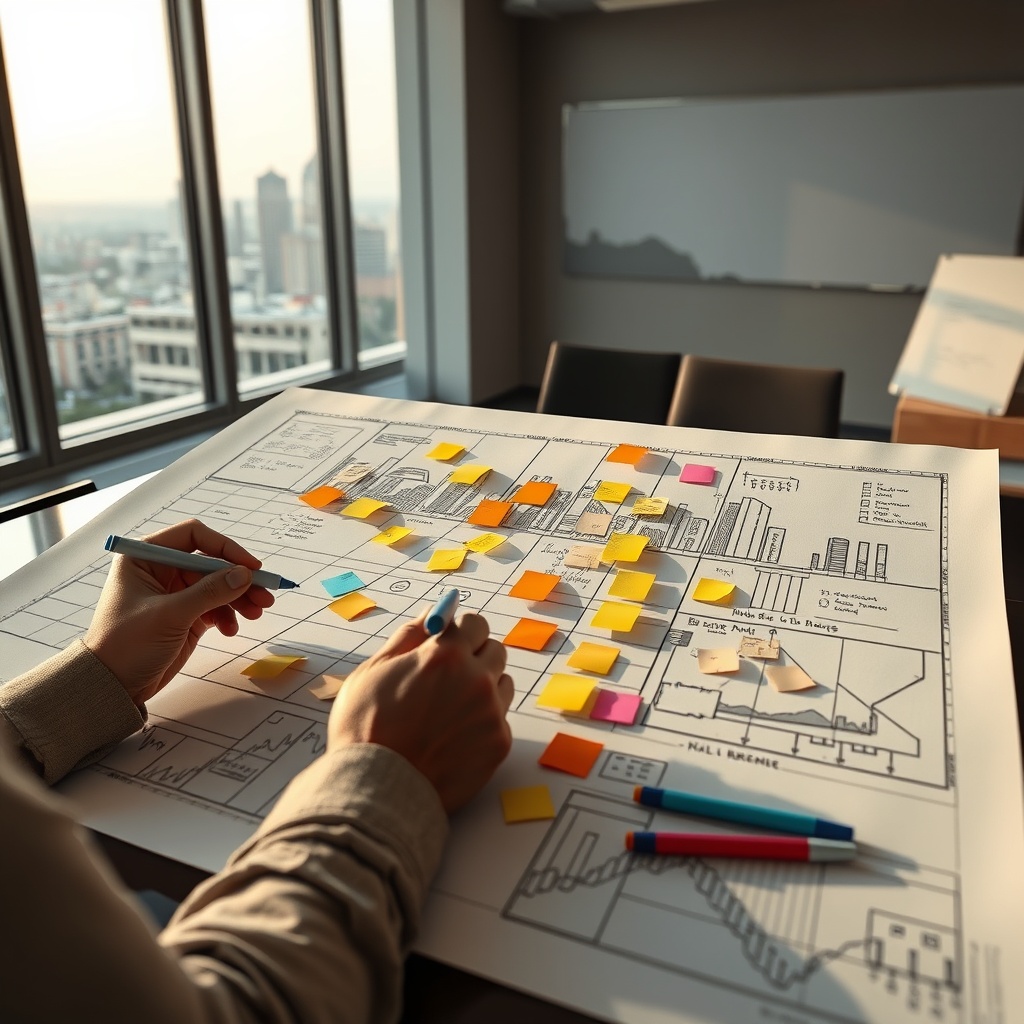
In Baton Rouge’s tightly interwoven business landscape, local organizations find that the real challenge with event design and immersive environmental graphics comes not at vendor selection—but after signing the contract. Once excitement fades, confusion often sets in: Who has final say over narrative tone? How tightly should the owner hold brand guardrails versus letting a creative team run? Baton Rouge companies—from energy sector powerhouses and healthcare networks to startup founders at LSU spinouts—struggle to maintain strategic discipline amid bold concepts and immersive experiences.
Unlike larger metros where design projects may get lost in bureaucracy, Baton Rouge’s competitive and relationship-driven climate magnifies the costs of oversight gaps. A misaligned message at the Raising Cane’s River Center or an uninspired booth at a Louisiana Construction & Industry Expo not only wastes budget, but risks reputational drift in a community where word travels quickly. Owners must navigate the tension between trusting expert designers and retaining the authority to safeguard regional context, with more at stake than just visual novelty.
Clarifying Local Brand Ownership Amid Creative Exploration
Leading in Baton Rouge means you cannot delegate away the responsibility of ensuring your brand essence is present at every event—no matter how immersive or unconventional the design. Owners must set and enforce hard lines on what elements of local identity and brand narrative are non-negotiable. Otherwise, you risk nationalized creative concepts that fall flat with distinctly Baton Rouge audiences, eroding credibility with clients, peers, and even local press.
Approval Discipline When Navigating Fast-Paced Timelines
Pressure to move quickly during busy event seasons (think Red Stick Revelry or the annual Baton Rouge Entrepreneurship Week) often leads to shortcuts around approvals. Business owners have to systematize which graphics, signage, and on-site experiences require direct signoff—even when under stress—because missed review cycles mean unapproved messaging enters the public eye. Without this rigor, brand-damaging errors become nearly impossible to walk back once banners are hung or digital assets go live downtown.
Setting Accountability for On-Site Execution
The strongest creative plan means nothing if execution at venues like the Raising Cane’s River Center is left adrift. Owners must explicitly decide who, internally or among vendors, is responsible for real-time troubleshooting and adaptation. When this clarity is missing, mistakes (misplaced graphics, lighting failures, venue conflicts) get blamed on “the process,” leaving business leaders with little recourse and disappointed stakeholders.
Guarding Against Over-Personalization by Designers
Baton Rouge’s vibrant creative scene can tempt providers to infuse personal flair or reinterpret brand identities in the name of innovation. Business owners have to ensure that service partners understand where creative freedom ends and brand coherence begins. When boundaries blur, it leads to designs that may win awards but confuse or alienate your actual audience—particularly critical in a locally networked market.
Ensuring Cultural Relevance for Baton Rouge Audiences
What resonates on the coasts or in national campaigns might feel tone-deaf in Baton Rouge, especially when engaging industries like petrochemicals, healthcare, or education. Owners must own the brief on local symbols, color palettes, and audience behaviors, ensuring environmental graphics reference cultural touchstones (think: LSU purple and gold, local festivals) and address sensitivities unique to the region. Missteps here damage both integrity and local relatability.
Maintaining Message Consistency Across Vendors and Venues
Business leaders must oversee not only the central design partner but also the full ecosystem—fabricators, digital vendors, and venue staff—since a small misinterpretation by any party can fragment the message. Accountability systems are needed so the event’s story and graphics stay unified from mockup to final install, especially at multipurpose sites where last-minute change is common.
Establishing Feedback and Escalation Pathways
When a concept veers off course or venue constraints disrupt plans, owners need rapid pathways for raising concerns and enforcing course correction—without causing breakdowns in trust or partnerships. Lack of clear escalation points leaves Baton Rouge organizations either micromanaging (slowing momentum) or, worse, ignoring warning signs until post-mortem.
Consider how the immersive atmospheres featured above spark immediate emotional impact—yet, for Baton Rouge companies, strong visuals alone are never enough. Executive oversight means being able to judge when an environment excites without losing authenticity. Delegating this to a provider without structured review invites overreach or accidental dilution; retaining control without stifling creativity is a delicate but essential balance, especially in markets where your event is often attended by existing partners and future clients alike.
Nobody enjoys confronting a design misfire mid-exhibit, but Baton Rouge’s neighborly networks mean lapses are more visible. Corporate leaders must make it routine to revisit accountability boundaries after each activation. Even a single missed step—in approvals, message calibration, or execution ownership—can spiral into negative talk across local business and civic circles, reinforcing the need for steady, informed governance.
| Oversight Area | Owner Focus | Accountability Signal | Outcome When Governed Well |
|---|---|---|---|
| Brand Ownership | Non-negotiable brand elements clarified | Documented approvals pre-launch | Event resonates authentically with local audience |
| Approval Discipline | Critical touchpoints require direct owner signoff | Signed-off asset tracker/log | Public missteps avoided, message integrity upheld |
| On-Site Execution | Explicit authority for final implementation | Venue manager or appointed staff named in advance | Last-minute issues addressed without blame game |
| Designer Boundaries | Creative freedoms explicitly framed | Clear rejection rationale for off-brand ideas | Innovation harnessed without loss of brand identity |
| Cultural Relevance | Local references and sensitivities enforced | Previews to trusted local stakeholders | Design aligns with Baton Rouge expectations |
| Message Consistency | Cross-vendor communication channels set | Centralized message repository | Unified event story, fewer on-site surprises |
| Feedback/Escalation | Fast-track appeal/escalation routes mapped | Response time standards in agreements | Exceptions handled swiftly, no trust erosion |
Stepping inside a fully enveloping event tunnel—like the one above—can inspire awe, but only effective executive oversight guarantees alignment with Baton Rouge’s market values. Leaders need to be visible not just at brainstorms but at review checkpoints and even, at times, on the event floor. This highly-engaged oversight ensures vendors channel creativity into outcomes that support both reputation and near-term business goals without overstepping the mark.
In Baton Rouge, where event ROI is scrutinized by tight-knit CFOs and skeptical local buyers, the cost of letting design governance slip is higher than in more anonymous markets. Keeping direct, ongoing oversight over both the visible (graphics and signage) and invisible (approval flows, escalation routes) parts of your partnership is what ultimately controls risk and creates memorable, business-building moments.
Typical Oversight Failures for Baton Rouge Event Design Engagements
- Lack of owner presence at pivotal review or walkthrough stages
- Delegated approvals to junior staff unfamiliar with brand priorities
- Ambiguous responsibility for on-site corrections leading to finger-pointing
- Design vendors exceeding brief and diluting local cultural cues
- No scheduled escalation process for urgent changes or conflicts
- Inconsistent messaging across print, digital, and environmental assets
- Failure to pre-test resonance of themes with a Baton Rouge audience
Measuring Success Realistically Amid Baton Rouge’s Market Pressures
For Baton Rouge leaders, evaluating environmental graphics and immersive event design isn’t about instant metrics—it’s about observing how these activations accelerate revenue cycles, influence deal velocity, and shift perception among decision-makers across the city’s core industries. The true signal comes from the sales team’s experience at trade expos, lead volume tied to specific events, and local buzz across client and civic networks post-engagement.
With business outcomes often realized over months, not weeks, success requires patience and careful tracking of both bottom-line improvements and those subtle shifts in partnership or sponsorship conversations. It’s the business owner’s job to link creative partnership discipline directly to these commercial rhythms, recognizing that shortcuts in governance may yield quick savings but risk far costlier reversals in Baton Rouge’s relationship-centric markets.
To further strengthen executive judgment, you might explore how narrative-driven events outperform on message retention or compare with Kansas City’s environmental design oversight models. Both perspectives illuminate how contextual governance adapts to cities with similar market cultures, helping Baton Rouge owners refine their own approaches for sustainable event-driven growth.