
Cincinnati’s Visual Edge: Winning Business with High-Impact Storytelling

Pitching in Cincinnati isn’t just about numbers—it’s about making your story land in a city where industries like healthcare, logistics, and emerging tech expect both substance and style. As Cincinnati’s entrepreneurial scene heats up, the ability to distill complex ideas into sharp, compelling visuals is quickly becoming table stakes. Investors here have options; leadership teams are pressed for time. A standout pitch deck can make you memorable—or forgettable—long before the follow-up call.
What sets the Cincinnati market apart is its blend of Midwest pragmatism and creative ambition. Companies here, from Fortune 500s to high-velocity startups, compete for capital and customers in a climate that values clarity just as much as charisma. In this environment, design-minded presentation decks aren’t a nice-to-have—they’re a business imperative. Clear visual storytelling isn’t just about aesthetics; it’s a way to establish credibility, show you understand your audience, and leave decision-makers with a vision they can support. In local boardrooms and pitch events, those who master concise, tailored decks consistently outperform flashier but less-grounded competitors.
Three local realities drive the urgency for next-level presentation design. First, Cincinnati’s business leaders are highly networked—word travels fast about which startups or firms “get it” and which don’t. Next, the city’s funding ecosystem rewards those who can bridge operational know-how with marketplace vision—artfully crafted decks are often the difference-maker in crowded competitions or “demo day” showcases. Finally, Cincinnati’s industry landscape is in flux; legacy companies continue to reinvent themselves while younger founders look to punch above their weight. In both cases, there’s little patience for cluttered, generic slides. Decision-makers remember ideas that are easy to recall, anchored in market insight, and visually executed at a national best-practice level, as highlighted in resources like this deep dive on deck storytelling for growth regions.
Picture yourself crafting a pitch for a Queen City logistics startup seeking Series A funding. You’re competing with firms from Chicago, Atlanta, and Columbus, all eyeing the same investors. Here, a professionally designed pitch deck isn’t just impressive—it’s a signal that your operation is serious, investor-ready, and attuned to Cincinnati’s fast-evolving standards. Local founders who nail their deck’s narrative and design can even benchmark their performance by exploring approaches in other ambitious markets or picking up cues from national design leaders.
Looking ahead, the bar is only rising. As Cincinnati’s entrepreneurial community continues to attract bi-coastal attention, the difference between a missed opportunity and a closed deal could come down to how well you visualize and communicate your value. Those who make strategic investments in presentation and pitch design today will be the ones shaping the city’s next wave of business success. For those ready to play at the highest level, more on Cincinnati’s unique pitch environment can be found in this in-depth analysis.
This presentation from Analyst Academy reveals how elite consultancies distill complex value propositions into crisp, memorable stories—skills directly transferable to Cincinnati’s competitive pitch scene. For local entrepreneurs, understanding the nuances of narrative flow and data visualization from leaders like McKinsey and BCG isn’t about imitation; it’s about learning how disciplined storytelling can transform abstract strategy into actionable buy-in, whether you’re meeting with local investors at Union Hall or presenting to a cross-regional panel. This is how you set your venture apart in Cincinnati’s evolving business climate.
Venngage’s breakdown of visual thinking in presentations adds a practical dimension, illuminating how tailored graphics and clean layouts drive clarity and retention. For a Cincinnati business leader, incorporating these principles moves your team or pitch from “good enough” to unmistakably professional, helping you bridge the culture of directness and innovation that defines the city’s most effective communicators. In a region where first impressions often set your trajectory, mastery of presentation design has become a lasting competitive asset.
Crafting High-Impact Presentation Decks for Cincinnati's Corporate Scene

Cincinnati, known for its vibrant business ecosystem and strong commitment to innovation, is a city where crafting impactful presentation decks is essential for success. Local businesses and entrepreneurs understand the importance of tailored storytelling and visual impact, especially when engaging with Cincinnati's diverse industries such as healthcare, finance, and manufacturing. Generic approaches simply do not resonate; a deep understanding of local market dynamics and regional sensibilities is crucial.
-
Showcase Local Success Stories
Highlight successful case studies from within Cincinnati. By showcasing regional victories, you add credibility and relatability, making your audience more likely to connect with your message. These stories can serve as a blueprint for potential partners and clients, demonstrating your deep understanding and proven record in the local market.
"Celebrating regional success not only boosts confidence but fosters trust, key to winning business in Cincinnati."
-
Incorporate Cincinnati's Rich Industrial Heritage
Cincinnati's deep-rooted industrial heritage can be a powerful narrative tool. By weaving in elements from the city’s industrial past, your decks can evoke a sense of tradition and stability. This connection is particularly effective in sectors where legacy and trust are pivotal.
-
Utilize Cincinnati Art and Culture
Infuse your presentation design with elements inspired by Cincinnati's rich cultural tapestry. Incorporating local art and cultural motifs can make your deck visually distinctive and emotionally impactful. It can illustrate your company's commitment to community engagement and cultural awareness.
- Highlight cultural landmarks
- Feature collaborations with local artists
-
Focus on Targeted Visual Storytelling
Craft a visual narrative that aligns with Cincinnati's corporate ethos. By using targeted visual storytelling, you can succinctly convey complex ideas while capturing the attention of the city's discerning audience. Precision and clarity are crucial in a business landscape that values efficiency and effectiveness.
"A picture is worth a thousand words, but a meaningful story is worth a thousand pictures."
-
Highlight Innovators From Cincinnati
Feature pioneering individuals or startups from Cincinnati that align with your message. Highlighting local innovators not only showcases your commitment to the community but also positions your business as part of an ongoing legacy of innovation.
-
Adapt for Regional Sensibilities
Understand and empathize with local sensibilities to tailor your design and messaging. What resonates in Cincinnati might not align with broader trends, underscoring the importance of designing with a regional mindset. This localization enhances audience engagement and receptivity.
-
Use Data-Driven Insights Relevant to Cincinnati
Incorporating local data and research can strengthen your presentation by adding tangible evidence to your claims. Use statistics and trends specific to Cincinnati to make your arguments more compelling and contextually relevant.
- Leverage regional economic indicators
- Integrate local market research
-
Adapt to Cincinnati's Competitive Edge
Understand the competitive landscape specific to Cincinnati and position your presentation to highlight unique advantages. Whether engaging with the consumer-packaged goods sector or tech startups, frame your solutions as the key to gaining a competitive edge.
| Aspect | Generic Approach | Cincinnati-Specific Approach |
|---|---|---|
| Storytelling | Broad industry trends | Local success stories |
| Visuals | Standard design elements | Elements inspired by local culture |
| Data Relevance | National statistics | Region-specific data |
| Audience Engagement | General engagement tactics | Tailored to regional sensibilities |
The video reinforces the significance of visual storytelling in effective communication. Understanding local audience preferences, as explored in our listicle, echoes the video's emphasis on connecting through targeted and narrative-driven design. By prioritizing content that resonates on a cultural and emotional level, Cincinnati entrepreneurs can enhance their presentation's impact, leading to greater business success and stronger local ties.
Understanding High-Impact Presentation Design for Cincinnati Entrepreneurs
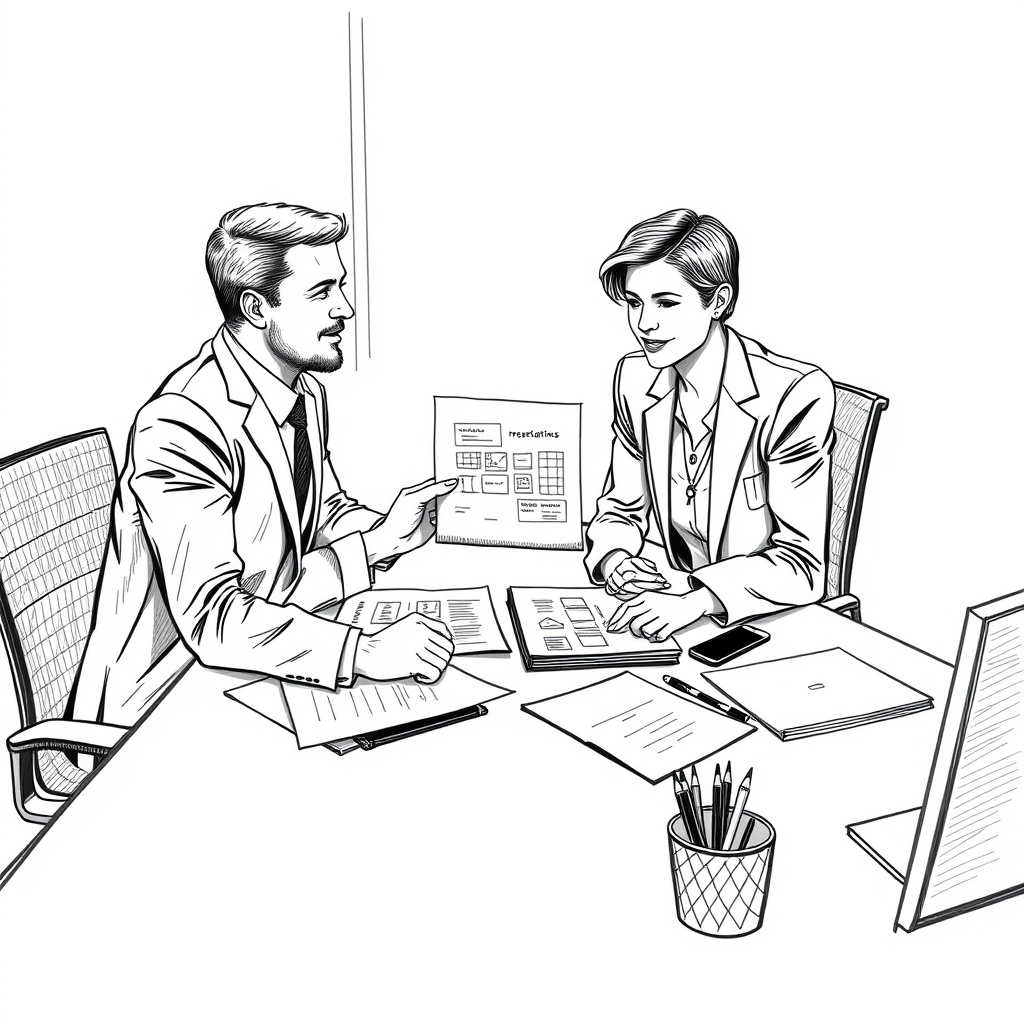
In the competitive business environment of Cincinnati, entrepreneurs face unique challenges when it comes to crafting presentation and pitch decks. The city's corporate landscape demands more than just visually appealing slides; it requires strategic storytelling that resonates with local investors and business counterparts. Here, we explore common queries around presentation design, aiming to bridge the gap between creativity, local relevance, and business impact.
Cincinnati businesses often need to manage the balance between innovation and tradition, a duality rooted in the city's diverse economic base. With a range of industries from tech startups to manufacturing powerhouses, presentation designers need to cater to varied expectations. This landscape compels entrepreneurs to seek authenticity and alignment with regional business narratives, raising questions about the best strategies for pitch success.
How can Cincinnati entrepreneurs ensure their pitch deck stands out locally?
Standing out in Cincinnati means aligning your presentation with the city's unique business culture, which blends innovation with a rich history of entrepreneurship. Entrepreneurs should focus on using storytelling techniques that highlight their understanding of local market dynamics and the value they bring to the community. Incorporating region-specific insights or case studies can further enhance your deck’s appeal, making it relatable and memorable to local investors.
Additionally, it’s crucial to demonstrate a nuanced awareness of Cincinnati’s economic drivers. By tailoring your examples and language to reflect local interests, you can foster a connection with your audience that generic presentation designs might lack. Address local pain points and success stories to position your business as a credible, engaged partner in the city’s economic landscape.
Finally, leveraging Cincinnati’s rich history of innovation by referencing successful local companies or trends can be an effective way to show your deck's relevance and timeliness. This approach positions your brand as one that respects and understands the backdrop of its operations, adding layers to your presentation’s impact.
What are common pitfalls Cincinnati businesses face in presentation design?
One of the main pitfalls is failing to adapt the tone of the presentation to match the local business etiquette. Cincinnati audiences appreciate transparency and straightforwardness, so overly polished or complex presentations might come across as insincere or disconnected. It's important to maintain clarity and authenticity to keep the audience engaged and onboard.
Another challenge is the temptation to overemphasize design elements at the expense of narrative coherence. While visuals are essential, they should support the story you’re telling, not overshadow it. Balancing aesthetics with substance is crucial in ensuring your message doesn’t get lost in translation.
Lastly, there’s often an oversight in accommodating the diverse industries present in Cincinnati. A one-size-fits-all approach may not resonate, particularly with sectors that have specific presentation preferences. Tailoring content to fit the needs and expectations of various industry stakeholders will enhance receptivity and credibility.
Why is local storytelling crucial in Cincinnati pitch decks?
Local storytelling imbues presentations with a sense of place, making them more relatable to Cincinnati audiences. The city values businesses that are seen as invested in its community and economic health. A narrative that incorporates local elements tends to create an emotional connection, fostering goodwill and openness among stakeholders.
Effective storytelling also helps to convey your business’s mission and vision in a way that aligns with local values. Recognizing regional issues or trends and tying them into your business proposition showcases your intent to contribute positively to the area’s progress.
Furthermore, understanding Cincinnati’s audience preferences and integrating these into your story can lead to deeper engagement. It transforms a standard pitch into a meaningful conversation about shared goals and mutual benefit, further emphasizing your alignment with local interests.
How can presentation designers manage audience fatigue in Cincinnati?
To combat audience fatigue, particularly in a city bustling with business activity, presentations should be concise, focused, and interactive. Employing dynamic storytelling techniques can keep audiences attentive, especially if your narrative evolves to include participatory elements that involve the listeners directly.
Incorporating interactive components like Q&A sessions or live polls can refocus attention and provide real-time engagement. Local businesses often appreciate being part of the conversation rather than passive recipients of information, which interactive methods facilitate.
Moreover, strategically pacing your presentation to allow moments of reflection or discussion can also relieve potential fatigue. This approach respects the audience's time and maintains their interest by breaking the monotony typical of conventional pitch setups.
What role does authenticity play in gaining trust through presentations?
Authenticity in a presentation resonates strongly in Cincinnati’s business circles, as it signifies honesty and integrity. When presentations reflect genuine commitment and transparent storytelling, they foster trust among audiences who might be skeptical of overly curated pitches.
An authentic voice often aligns a brand with local culture and values without seeming forced or artificial. This connection is particularly important in a city where community ties and local pride strongly influence business relationships.
Ultimately, showcasing the real people and stories behind your business humanizes your pitch deck, fostering a relatable and approachable image. Such presentations not only engage but reassure stakeholders of your commitment to contributing positively to the region.
What creative risks should Cincinnati businesses consider in their design approach?
Cincinnati's dynamic business ecosystem allows for creative risks that can differentiate a presentation. However, it’s critical that these risks resonate with your audience’s expectations. Design elements that push the envelope, like unconventional graphics or multimedia integrations, can be successful if they serve the narrative and do not distract from the core message.
That said, businesses must weigh the potential of innovation against audience receptivity. Not every creative swing will land, so understanding the preferences and cultural nuances of your audience can inform which risks are worth taking.
Creativity that taps into local themes, history, or humor can also be highly effective. This strategy can capture audience interest and make your message memorable without straining the boundaries of comfort or professionalism.
How important is tone in Cincinnati pitch deck presentations?
Setting the right tone is imperative in local presentations, where the business culture leans towards balanced professionalism with a personal touch. A tone that is too formal can feel distant, while one that is too casual might appear disrespectful or out of touch.
Striking the right balance in communication reflects your attentiveness to the Cincinnati audience's expectations. A well-adjusted tone demonstrates situational awareness and adapts to the diverse preferences present in this vibrant metropolis.
Moreover, consistency in tone throughout the presentation can contribute to your credibility, as it reflects a coherent and thoughtful approach to addressing your audience. This consistency builds trust and lays a foundation for long-term business relationships.
What strategies enhance local credibility in Cincinnati through design?
Building local credibility starts with understanding the specific challenges and opportunities within Cincinnati. For presentation designers, this means illustrating knowledge about the local market by utilizing data, case studies, or testimonials that directly tie back to the region.
Including endorsements or collaborations with known local entities can also boost credibility. Such alliances suggest a level of respect and established trust within the community that can be reassuring to prospective partners or clients.
Additionally, visuals should reflect Cincinnati’s diverse cultural and industrial background to resonate more authentically with local audiences. Representing these aspects visually can reinforce your commitment to operating genuinely within Cincinnati’s economic context.
How can entrepreneurs ensure long-term success with their presentation strategy in Cincinnati?
Long-term success in presentation strategy relies on continuous adaptation to the evolving expectations and standards of Cincinnati's business community. Entrepreneurs should regularly review and update their content to ensure it remains relevant and effective in current market conditions.
Building relationships through networking and feedback loops can provide valuable insights into market changes and emerging trends. Leveraging this information to tweak your messaging can keep your presentations fresh and engaging, thus aiding longevity in success.
Moreover, fostering a culture of innovation and responsiveness within presentation design teams can ensure that every pitch remains dynamic and well-adapted to capitalize on new opportunities as they arise. This strategy emphasizes durability and relevance, key components of long-term success.
| Consideration | Reflective Approach | Challenging Approach |
|---|---|---|
| Authenticity | Integrate genuine local stories | Rely on polished, universal themes |
| Creativity | Balance innovation with audience comfort | Emphasize cutting-edge design elements |
| Tone | Adapt to local culture and expectations | Focus on consistent brand voice |
| Engagement | Foster interactive elements for dialogue | Present information in lecture format |
| Relationship Building | Emphasize collaboration and endorsements | Maintain distinct brand independence |
The above table outlines strategic contrasts in presentation approaches for Cincinnati's entrepreneurs, underscoring the tension between culturally reflective styles and more universal methods. It highlights the importance of recognizing local nuances to achieve sustainable engagement and success within the regional business context. Entrepreneurs must decide whether to pursue authenticity and local resonance or opt for broader appeal, balancing these aspects to meet their long-term objectives.
Governing Presentation Design Partnerships in Cincinnati’s High-Stakes Business Arena

After the initial excitement of investing in a professional presentation or pitch deck, many Cincinnati business leaders discover that the real challenge lies in maintaining oversight amidst the region’s aggressive business climate. Cincinnati’s mix of Fortune 500s, fast-growth startups, and locally rooted service firms means expectations for corporate storytelling and visual standards are extraordinarily high. Yet, it’s common for authority lines to blur once the design agency or freelancer is on board. Who truly owns the message? Where does local context end and creative license begin? The answer isn’t as simple as it appears—and without strong ownership, costly missteps or disappointing results can follow.
Post-commitment, companies often struggle to balance speed with substance. In the push to impress investors, close complex B2B sales, or stand out at a Queen City industry pitch event, “approval discipline” can be thrown out the window. Internal leaders start second-guessing, while external providers operate on assumptions about what resonates with Cincinnati’s business audiences. Gaps quickly emerge: brand voice, competitive nuance, and regulatory or reputational risks can drift without rigorous, centralized oversight. This section examines the essential responsibility areas Cincinnati owners need to govern—and the pitfalls if they don’t.
Setting Non-Negotiable Messaging Anchors
Strategic clarity starts with defining the pillars of your Cincinnati business narrative. Owners must ensure these messaging anchors are documented, uncompromising, and unmistakably local—think about how heritage, innovation, or Midwestern values should surface. When this oversight lapses, presentations can veer into generic platitudes or stray from the reality of the Cincinnati market, weakening both pitch effectiveness and credibility.
Safeguarding Brand Integrity Across Local Contexts
Every pitch and sales deck needs to reflect your brand, not just visually but in the way it addresses Cincinnati’s distinct buyer expectations—from corporate procurement teams to startup investors. Owners are responsible for flagging any disconnect between design outputs and true brand DNA. Letting designers "run with it" too freely invites unintended brand drift, which can dilute hard-earned local reputation and create confusion in follow-on customer conversations.
Structuring Decision Rights and Feedback Cadence
Clarity about who signs off—and when—is vital. In Cincinnati’s often consensus-driven business culture, overlapping feedback can slow down or confuse the process. Oversight here means owners must both define and enforce who resolves collisions between, say, sales and product teams. If neglected, projects stall or become political, sapping momentum right when the business needs it most.
Ensuring Local Relevance in Content and Visuals
Cincinnati’s audiences are sharp and locally attuned. The use of region-specific data, community references, and familiar industry visuals shows you “get” your audience. It’s a critical owner role to hold external designers accountable for weaving in these touches. If missed or mishandled, even a technically sound pitch deck can fall flat with skeptical local decision-makers.
Enforcing Approval Discipline Amid Tight Timelines
Pressure to “just get it done” is a hallmark of Cincinnati’s fast-paced sectors—logistics, consumer goods, healthcare, and more. Owners need to resist shortcutting the review process just to meet arbitrary launch dates. Skipping or softening final approvals leads to errors or missed opportunities, especially when every presentation moment counts toward closing key regional deals.
Managing Risk of Overpromising or Compliance Missteps
With fierce competition comes the temptation to embellish impact or gloss over compliance realities unique to Ohio or local sectors. Owners must make sure claims within decks are rooted in reality and compliant with local regulations. The risk of a legal or reputational setback is real: unchecked bravado or inadvertent regulatory violations can undo months of relationship-building in Cincinnati’s tightly linked business ecosystems.
Monitoring Agency Transparency and Responsiveness
Finally, Cincinnati leaders should expect timely and proactive communication from their hired designers or agencies. Owners must set the expectation for transparent progress updates and candor about challenges. Ignoring this area can result in last-minute surprises that jeopardize deck readiness for critical pitches—or erode long-term trust with strategic design partners.
This Reel captures the palpable frustration many Cincinnati companies encounter when presentations—despite professional polish—still feel flat or disconnected. Owners are often surprised to see creative work that looks great, but fails to address the region’s unique business language, competitive anxieties, or regulatory frameworks. Rigorous owner oversight isn’t about micromanaging aesthetics; it’s about steering local nuance and value proposition clarity back to center stage before slides are finalized and sent out to Cincinnati’s discerning audiences.
| Oversight Area | Owner Focus | Accountability Signal | Outcome When Governed Well |
|---|---|---|---|
| Messaging Anchors | Lock in critical themes for Cincinnati audiences | Written, signed-off core messages | Decks resonate and track with local business priorities |
| Brand Integrity | Align visuals and tone with brand’s reputation in Cincinnati | Designs reviewed for local fit by owner | Consistent, recognizable brand presence |
| Decision & Feedback Structure | Clarify approver roles and feedback timeline | Documented feedback loops | Efficient approvals with reduced internal friction |
| Local Relevance | Check for Cincinnati-specific details and cues | Reference checks with local stakeholders | Presentations strike a chord with local decision-makers |
| Approval Discipline | Enforce final review before go-live | Mandatory owner signoff step | Reduced risk of errors or missed opportunities |
| Compliance & Risk | Validate claims and legal/industry adherence | Owner/legal review in workflow | Presentations avoid overpromising and legal missteps |
| Agency Transparency | Demand proactive status and candid communication | Regular, owner-involved progress updates | Minimized surprises; issue escalation is swift |
For executive owners in Cincinnati, oversight of pitch deck design means more than reviewing sample slides. It’s about institutionalizing a process of accountability where business direction drives design, not the other way around. Decks that truly “sell” in this city’s competitive environment come from oversight models where every creative choice is checked against business reality, internal consensus, and local buyer psychology. Ignore these layers, and no amount of outside design brilliance can deliver the revenue impact you expect.
Common Oversight Failures in Cincinnati Presentation Design
- Letting agency or designer set direction without explicit owner signoff on messaging
- Failure to codify brand nuances unique to the Cincinnati market
- Poorly defined approval rights, resulting in stalled or politicized projects
- Neglecting to check local data, references, or visuals for regional accuracy
- Rushing review cycles under deadline pressure at the expense of accuracy
- Overlooking claims or compliance language in regulated industries
- Accepting infrequent or non-transparent agency updates
Measuring Success Realistically in Cincinnati’s Pitch Deck Arena
For Cincinnati owners, true success in pitch deck oversight isn’t simply about “slick” designs or speedy project completions. The real measure comes months after launch, when you look at revenue achieved from new deals, the conversion rate in local sales cycles, or the acceleration of investment conversations. Buyers and investors here are known for their directness and diligence; if the deck sings to their priorities, you’ll see it in faster negotiations and fewer, tougher objections. But pressure in Cincinnati’s market means owners must also calibrate expectations—external providers can drive excellence, but real, sustained results come from ongoing owner governance over message integrity, local proof points, and disciplined execution. Oversight is not a one-time task but a strategic commitment that pays off in tangible market momentum.
For further insight on maintaining brand narrative while scaling across regions, explore this analysis of brand strategy contextualization in Phoenix. If your Cincinnati business often interfaces with event design or packaging innovations, you’ll find practical governance takeaways in this review on custom event and packaging oversight. Finally, comparing oversight frameworks in other mature corporate hubs, such as presentation deck governance in Chesapeake, may spark fresh approaches for Cincinnati leadership teams.