
Where Durham’s Product Identity Meets Lasting Consumer Impact

In Durham, NC—where pioneering research, artisan makers, and a fast-growing ecosystem of consumer brands converge—product packaging and print design aren’t just about looking good on shelves. They’re part of building trust, local connection, and a level of excitement that can turn first-time buyers into loyal advocates. For businesses here, the unboxing moment is an inflection point in the customer journey: it’s sometimes the only tangible handshake between your brand and your customer after all that digital noise.
Why does this feel so urgent now in Durham? The Bull City’s reputation for craft, innovation, and socially-aware entrepreneurship sets a high bar for every experience—from the taste of the coffee beans to the feel of the box they come in. Competition runs deep, especially for CPG startups, food producers, clean beauty labels, and boutique manufacturers. As Durham’s consumer base evolves—think students, tech professionals, and transplants with an eye for integrity—packaging is more than a wrapper. It’s your brand’s voice in the wild.
Three dynamics are shaping how local businesses navigate packaging and print design today. First, intentional design isn’t a “nice to have”—it’s what catalyzes brand memorability and communicates local values at a glance, much as we’ve seen discussed in exploring authentic brand narratives in other emerging cities. Second, with the rise of short-run print tech and sustainable materials, Durham brands are free to make ambitious choices without the old budget constraints. Third, print has become a strategic bridge, connecting online-first brands to real-life customer delight—a principle echoed in how experiential packaging can transform perception and loyalty.
Picture this: A Durham startup launches a CBD beverage. Their packaging isn’t just shelf-ready—it tells the story of local sourcing and progressive wellness through every tactile detail. Or consider a food producer designing inserts that double as recipe cards, deepening engagement. In a city where pop-up shops and farmer’s markets feed into digital commerce, the right print materials help unify every customer touchpoint. Local ambitions now require the same strategic edge as global brands, especially when you’re ready to graduate from “nice” impressions to unforgettable loyalty.
Looking ahead, Durham’s product brands have an outsized opportunity: to define regional identity and customer loyalty through thoughtful packaging and print experiences that resonate from unboxing to word-of-mouth. Staying ahead means understanding not just the trends, but the underlying consumer psychology and commercial possibilities that propel well-designed brands forward. With this, every business—from specialty grocers to innovative e-commerce labels—can make packaging not just a cost, but a competitive advantage. For deeper perspective, consider how cohesive design work can tie into larger marketing strategies, as reflected in elevated presentation design or even integrated paid campaigns when new products hit the market.
The “Unboxing A Packaging Agency’s Marketing Kit” video underscores just how powerful thoughtfully engineered packaging can be—not merely as an aesthetic choice, but as a message and a strategy. For Durham brands, seeing how print details and physical design elements trigger excitement and immediate understanding brings a tangible dimension to what can feel abstract. This matters here because local consumers expect brands to be intentional and memorable, not passive or generic.
As Durham businesses weigh investments in packaging and print, having this clarity helps cut through guesswork and opens doors to greater market impact. Dive deeper into these possibilities through insights on brand strategy frameworks that put authenticity center stage—a principle that consistently wins trust in competitive, values-driven cities like ours.
Innovative Packaging and Design Strategies for Durham Brands

In Durham, North Carolina, a city known for its dynamic blend of tradition and innovation, product packaging and print design must resonate with both local culture and the modern market. As home to a thriving tech industry and vibrant arts scene, Durham businesses benefit from unique and strategic design solutions that set them apart from competitors. Rather than relying on generic designs, brands in Durham have the opportunity to reflect their community’s character and creativity in ways that build customer loyalty.
-
Eco-Friendly Design Choices
With increasing environmental awareness among consumers, choosing sustainable packaging options can significantly influence brand loyalty. In Durham, where the community is passionate about sustainability, utilizing eco-friendly materials helps brands align with local values.
★ Consider options like recycled paper or biodegradable materials that reduce environmental impact while communicating corporate responsibility.
-
Incorporating Local Artwork
Durham boasts a rich artistic community that offers brands the opportunity to incorporate local art into packaging designs. This strategy not only supports local artists but also creates a unique visual identity that resonates with customers.
Combining design with local culture strengthens emotional connections, turning each unboxing into a memorable experience.
-
Interactive Packaging Experiences
Interactive packaging can increase engagement and build excitement around a product. Consider incorporating QR codes that link to promotional videos or augmented reality experiences, creating personalized interactions for consumers in Durham.
Such experiential design taps into the tech-savvy and culturally adventurous spirit of Durham’s residents.
-
Customization to Enhance Connection
Offering customization options can enhance the customer experience, providing a sense of ownership and personal connection to the product. This technique aligns with contemporary trends where consumers increasingly seek differentiation.
Allow customers to choose colors or graphics that best reflect their personality or occasion.
-
Seasonal and Limited-Edition Themes
Seasonal packaging can create urgency and scarcity, encouraging prompt purchases. In Durham, where seasonal events like the Durham Farmers' Market draw crowds, leveraging local events and themes in design can capture attention and drive sales.
Consider limited-edition designs that celebrate Durham's seasonal flavors and festivals.
-
Narrative-Driven Designs
Every product has a story, and packaging is the canvas. By telling a compelling narrative through design, you can captivate Durham's audience, which appreciates authenticity and depth in branding.
Whether it's the story of your brand's origin or a tale related to the local community, narratives deepen engagement.
-
High-Quality Print Techniques
Investing in high-quality print techniques such as embossing or foil stamping can elevate the perception of your product. In a city like Durham, where craftsmanship is valued, such details can distinguish your brand in a competitive market.
⚙︎ These techniques create a sense of luxury and solidify brand premium value.
-
Community-Inspired Collaborations
Collaborate with other local businesses or community initiatives to create packaging that reflects collective efforts and values. Such partnerships exemplify Durham’s collaborative spirit and can create a shared sense of pride and support.
✓ Think about co-branded packaging or designs that highlight local events or heritage.
| Strategy | Local Impact | Target Audience Engagement |
|---|---|---|
| Eco-Friendly Design | High, supports local values | Positive, resonates with environmentally aware consumers |
| Incorporating Local Artwork | Medium, enhances community ties | Moderate, appeals to art-loving audiences |
| Interactive Experiences | Low, though tech engagement can lead to wider reach | High, engages tech-savvy consumers |
Packaging design in Durham isn’t just about aesthetics but about crafting a meaningful engagement that resonates with the community’s spirit and values. The video above further elaborates on how strategic packaging efforts can triple product sales by appealing to psychological triggers and enhancing unboxing experiences. In understanding these elements, brands can successfully navigate the unique economic landscape of Durham, ensuring they not only meet but exceed consumer expectations.
Understanding Packaging and Print Design Challenges in Durham, NC
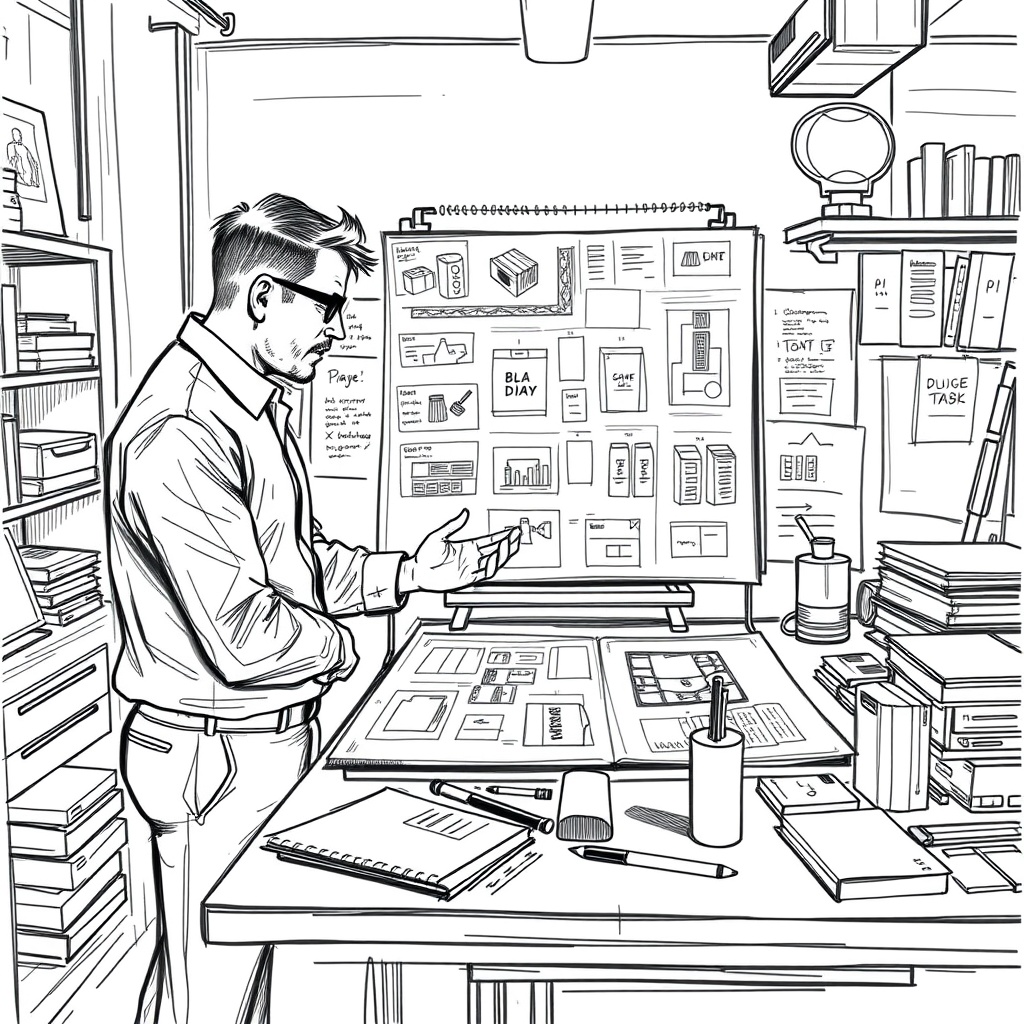
In Durham, NC, businesses are well aware of the competitive landscape that shapes product branding and packaging design. The city's thriving tech and creative industries mean that brands must continuously engage their audiences in authentic and innovative ways. However, navigating these expectations while maintaining a consistent brand message often presents challenges. Local businesses grapple with the need to stand out in a saturated market without compromising the storytelling and authenticity that resonate deeply with Durham residents.
With a diverse consumer base known for valuing sustainability and community connections, Durham businesses often consider unique local influences when crafting their product packaging and print designs. Successfully creating an unboxing experience that feels both fresh and familiar is crucial, as is ensuring that the strategic design reflects the local culture and consumer expectations. The complexity lies in maintaining relevance while keeping an eye on the creative risks required to achieve genuine connection and brand loyalty.
How do Durham's cultural values impact packaging design strategies?
Durham is known for its commitment to sustainability and community engagement. This cultural context necessitates that packaging and print designs be more than visually appealing—they must also reflect these values. Consumers in Durham often look for brands that align with their own values, meaning eco-friendly materials and community-oriented messaging can significantly impact a brand’s success. Local businesses must weigh these cultural values into their strategic planning to ensure alignment with their audience's expectations.
Moreover, sustainable packaging solutions are not just about using recycled materials but also considering the entire lifecycle of a product's packaging. Brands that invest in innovative, sustainable designs can differentiate themselves by showing real commitment to the environment. This can win consumer trust and result in a more engaged and loyal customer base.
However, integrating these values requires careful planning and execution. Businesses must assess their supply chains and design processes to adopt sustainable practices without significantly increasing costs. Such strategies position brands not just as product providers but as champions of local and global sustainability.
What makes an unboxing experience resonate with Durham's diverse audience?
Unboxing experiences in Durham need to capture the eclectic and vibrant nature of the city. The challenge lies not only in aesthetics but in ensuring that the packaging tells a story that consumers can connect with on a personal level. Durham's audience appreciates creativity, exclusivity, and above all, authenticity. Employing local art, storytelling, and personalized touches can create a memorable unboxing experience that speaks directly to this audience.
Furthermore, the process of unboxing should be seamless and interactive. Incorporating elements such as augmented reality, personalized notes, or limited edition designs can elevate the experience. This approach not only highlights the product’s unique qualities but also engages consumers emotionally, fostering brand loyalty and repeat purchases.
However, brands must be cautious of overcomplicating the design. A balance must be struck between innovation and practicality to avoid alienating customers looking for simplicity and functionality. A design that is both user-friendly and visually striking can achieve a compelling unboxing experience that reflects Durham's cultural identity.
Why is balancing creativity and functionality in print design crucial for Durham brands?
For businesses in Durham, balancing creativity with functionality in print design is essential to reflect the innovative spirit of the city while meeting practical consumer needs. As print materials often serve as the first physical interaction with a brand, they must capture attention and convey important messaging without sacrificing usability.
The key is to use creativity as a tool to enhance clarity and brand identity. Unique design elements should serve a purpose, such as guiding the viewer's eye or emphasizing key information. Patterns, colors, and interactive features can make a lasting impression when executed thoughtfully.
However, excessive creativity without regard to functionality can lead to confusion or misinterpretation of brand messages. Effective print design demands a thoughtful approach where form follows function, ensuring that innovation supports clarity and communication. By harmonizing these elements, Durham brands can achieve both visual appeal and practical success.
How can Durham businesses ensure packaging designs facilitate brand loyalty?
Brand loyalty in Durham can be fostered by aligning packaging design with the values and expectations of the local community. Since loyalty often stems from trust and emotional connection, brands must ensure that every element of their packaging communicates authenticity and reliability.
Utilizing local symbols, partnerships, or narratives in design can enhance relatability and cultural resonance. By tapping into local heritage and stories, brands can strengthen their bonds with customers who share and appreciate these connections. These designs can spark conversations and deepen consumer engagement, leading to sustained loyalty.
Consistency in visual identity is also vital. As consumers come to recognize and trust a brand's packaging, maintaining coherence across all product lines builds familiarity and confidence. This reinforces brand image and assures customers of consistent quality and intent, a core driver of lasting loyalty.
What are the risks of not adapting packaging designs to local consumer trends?
Failing to tailor packaging designs to the unique preferences of consumers in Durham can alienate potential customers and lead to missed opportunities. Consumers in the area are informed and discerning, often preferring brands that reflect their values and lifestyle choices. Consequently, ignoring these local nuances can result in designs that seem out of touch or generic.
Additionally, not adapting to trends like the growing demand for sustainable packaging or personalized customer experiences can backfire. As market expectations shift, brands that do not evolve may find themselves lagging behind competitors who more effectively engage the local audience.
To mitigate these risks, businesses should actively research and incorporate local consumer insights into their design strategies. This involves continuously engaging with the community to understand evolving sentiments and expectations, ensuring that their packaging remains relevant and impactful.
How does local collaboration influence the success of design projects in Durham?
Collaboration with local artists, designers, or suppliers in Durham can significantly enhance the success and relevancy of packaging and print design projects. By fostering partnerships within the community, brands can obtain insights that are deeply attuned to the local culture and preferences.
Such collaborations can lead to more authentic and innovative outcomes that resonate strongly with the local audience. When consumers see their own values and community reflected in a product, the connection is strengthened, and brand loyalty is often the result.
However, collaboration is not without its challenges. It requires effective communication, aligned goals, and a shared vision to produce results that are satisfying for all parties involved. With the right approach, these partnerships can enhance a brand’s credibility and success in the competitive Durham market landscape.
Why does authenticity matter more than novelty in Durham's packaging design?
While novelty can attract initial interest, authenticity is what ultimately retains it in Durham's discerning market. Consumers in the area value transparency and honesty, often gravitating towards brands that reflect genuine stories and real commitments rather than fleeting trends.
Authenticity in packaging design means communicating core values and stories honestly, without embellishment. This connection fosters trust and encourages long-term relationships, critical for sustainable business growth in a city like Durham where community ties are strong.
Chasing novelty at the expense of authenticity can lead to branding that feels hollow or disconnected, quickly losing consumer interest. Instead, continuously nurturing authentic engagement through strategic designs ensures enduring resonance and loyalty.
What strategies can reinforce the local credibility of packaging designs in Durham?
To reinforce credibility, Durham businesses must produce packaging designs that resonate with both cultural relevance and innovation. Demonstrating a deep understanding of local tastes through design helps establish a strong market position and differentiates brands from competitors.
One effective strategy is the inclusion of local motifs or manufacturing details on packaging, which can communicate a product's origin and authenticity. This connects with consumers who value locality and can enhance storytelling by weaving in the community's heritage and culture.
Maintaining consistent quality and delivering on packaging promises is equally important. Transparency about sourcing, sustainability efforts, and responsive customer service all contribute to sustaining credibility and trust in the local market, reinforcing long-term consumer relationships.
How can brands mitigate audience fatigue with creative print solutions?
In a market as vibrant and competitive as Durham, audience fatigue is a genuine concern for brands striving to maintain engagement. To mitigate this, businesses should explore creative print solutions that captivate without overwhelming.
Alternating color schemes, interactive elements, and unexpected formats can inject freshness into traditional print media, inviting consumers to engage more deeply. Regularly refreshing materials and presentations keeps content from feeling stale while ensuring relevance and appeal.
However, creativity should support clear messaging and brand values. By innovating with intent and clarity, brands can keep their communication lively and impactful, avoiding fatigue and maintaining strong relationships with their audience.
| Concept | Approach |
|---|---|
| Authentic Storytelling | Reflect local values and culture in design |
| Algorithm Chasing | Prioritize trends over genuine connection |
| Local Resonance | Engage with community through design and narratives |
| Generic Volume | Focus on mass appeal without local alignment |
| Sustainable Creativity | Innovate with balance and purpose |
| Burnout Pressure | Over-innovate leading to stress and inconsistency |
For brands in Durham aiming to stand out in packaging and print design, it is crucial to balance creative ambition with grounded, authentic storytelling. The decision clarity table above illuminates the pivotal choices that influence both short-term visibility and long-term brand loyalty. By focusing on resonating with the local community and continuous innovation, businesses can successfully navigate the vibrant Durham market. Engaging authentically with the audience not only fosters immediate connections but also sustains relationships that endure beyond trends and competitors.
Maintaining Strategic Oversight of Packaging & Print Design for Durham Brands

For product-driven businesses in Durham, NC, aligning distinctive packaging and print experiences with strategic market objectives is not a one-time task—it’s an ongoing leadership stake. Post-commitment, many local owners realize the hard part isn’t deciding on a new unboxing concept or refreshing print collateral. Instead, the challenge is maintaining clarity of authority across departments and external vendors, especially as business growth introduces more complexity and higher stakes. The distinctive mix of Durham’s innovation-forward startups and established product brands can amplify these oversight tensions: local teams may champion bold packaging visions, but without firm owner-level governance, the line between compelling differentiation and costly brand drift easily blurs.
Owners also confront accountability gaps unique to the city’s business environment. With Durham’s fast cycle of product launches, regional distribution partnerships, and discerning end-users, it’s easy for brand intent to get lost between ideation, vendor execution, and sales objectives. Who signs off on packaging refreshes when multiple teams are involved? How do you maintain print consistency—and shopper trust—when every initiative is a new experiment in consumer engagement? These oversight battles are rarely about creative differences; more often, they arise from muddled authority and an absence of disciplined, owner-led checkpoints.
Structuring Clear Approval Authority in Durham’s Multi-Voice Teams
Assigning clear, executive-level approval for all packaging and print design decisions is crucial in Durham’s culture of collaborative, fast-moving product teams. When owners fail to formally delineate who has final say—whether on a new material, label layout, or message inclusion—enthusiastic teams can unintentionally launch off-brand or regionally tone-deaf designs. The strategic intent is to ensure unified market expression; owner oversight guarantees that creative options filter through core business objectives before appearing on Durham shelves. Ignoring this promotes siloed decision-making and threatens both compliance and local market alignment.
Guarding Message Consistency Amid Local Innovation
Durham’s product spaces—ranging from refurbished downtown shops to upstart CPG brands—thrive on innovation, but this environment often breeds messaging drift. Owners must actively steward not only the words and graphics on packaging but the subtle signals those choices send to local consumers. Without owner vigilance, new print runs may carry diluted, inconsistent, or even contradictory themes, eroding the brand impression built across the Triangle region. Risk here lies in long-term customer confusion and diminished loyalty as market impressions fragment.
Differentiating Responsibly in a Crowded Regional Marketplace
Standing out visually is the easy part in Durham’s highly saturated product scene, where bold unboxing is expected to “wow” customers. Owners bear the responsibility for drawing the line between creative risk and brand erosion—balancing buzz-generating print and packaging tactics with durable brand assets trusted by Raleigh-Durham consumers. Strategic owner intent: foster creative energy while anchoring every choice to promise, compliance, and repeatability. Neglecting this means misalignment with both local retailers and discerning buyers who expect authenticity, not flash-in-the-pan packaging tricks.
Coordinating Vendor Accountability and Print Quality in the Triangle
In Durham, where many print and packaging partnerships cross city or state lines, the owner’s role in vendor oversight is non-negotiable. Handing off projects to outside vendors without a robust system for accountability—quality checks, on-brand execution, and cost discipline—can quickly undermine product launches. Strategic intent: create clear SLAs tied to Durham’s rhythms, with measurable checkpoints and escalation plans for deviations. Overlooking this exposes owners to costly misprints, delayed launches, and subpar customer experiences that ripple through the retail ecosystem.
Navigating Regulatory & Sustainability Expectations Locally
From food production to natural products, Durham’s brands dance under increasingly nuanced regulatory and sustainability spotlights. Owners must take direct responsibility for ensuring all packaging and print comply not just with federal and state regulations, but also with local sustainability ambitions that influence purchasing choices. Strategic owner involvement means reviewing supplier certifications, researching material impact, and anticipating local advocacy trends. Allowing these concerns to slip beneath the radar invites compliance penalties, reputational erosion, or consumer pushback that can be amplified by Durham’s tight-knit business and civic circles.
Maintaining Agility During Market or Branding Pivots
Durham-based brands frequently pivot—be it to capture seasonal trends, collaborate with local food halls, or respond to sudden retailer opportunities. Owners must enforce disciplined change control so that every packaging and print update reflects intentional business strategy, not just rapid-fire reaction. The owner’s role is to distinguish between opportunistic pivots and those endangering cumulative brand equity. Failure here leads to erratic market impressions, internal confusion, and costly redesign cycles that drain leadership time and margin.
Ensuring Data-Informed Iteration (Without Losing the Local Touch)
With Durham’s growth as a consumer product and creative technology hub, owners now have access to reams of data on shopper engagement, shelf impact, and campaign ROI. But it’s the owner’s job to make sure that iterative packaging and print changes are grounded in long-term learnings—not just short-term metrics or fleeting fads. This strategic oversight maintains the authentic local resonance that drives repeat business, even as performance data informs tactical tweaks. If neglected, owners risk “chasing the numbers” and sliding away from the deep brand connections that distinguish Durham-based brands.
Notice how innovative unboxing concepts—like mutable packaging experiences showcased on platforms such as Instagram—can rapidly create customer intrigue in Durham’s merchandise-rich retail spaces. This speed and visibility are a double-edged sword for local business leaders: while quick to capture curiosity, they demand swift, coordinated oversight to prevent off-brand surprises from leaking into the real market. If approval chains or accountability cues aren’t firmly set, such creative approaches can overshadow core brand values or even contradict the carefully built trust among Durham’s hyper-engaged customer base.
These challenges are compounded by the region’s pace. Executive oversight isn’t about micromanaging details, but about clear escalation when contractual or creative boundaries are threatened. Owners must anticipate how viral trends, amplified by digital platforms, can force rapid cycle times on packaging and print design, sometimes stretching vendor or internal resource limits. With intentional accountability guardrails, innovative concepts translate into valuable, on-brand experiences—not chaotic side projects that siphon focus and budget.
| Oversight Area | Owner Focus | Accountability Signal | Best-Case Outcome |
|---|---|---|---|
| Approval Authority | Defining who has final sign-off at each project phase | Documented chain of approval, visible to all teams | Rapid decisions, no conflicting directives |
| Message Consistency | Auditing all customer-facing text and visuals for alignment | Quarterly executive review of packaging and print assets | Brand voice trusted by Durham consumers and retailers |
| Differentiation Discipline | Balancing boldness with long-term brand value | Strategic filter applied to all creative proposals | Competitive standout with enduring market appeal |
| Vendor Coordination | Mandating checkpoints and proof approvals | Signed SLAs and escalation paths with all print vendors | On-brand, on-time launches with minimal correction cycles |
| Regulatory & Sustainability Compliance | Verifying all pack and print specs meet current codes | Certified supplier documentation updated annually | Zero compliance lapses, positive local recognition |
| Change Control | Enforcing a formal process for updates and pivots | Required owner sign-off for mid-cycle adjustments | Flexible brand response without confusion or drift |
| Data-Driven Iteration | Interpreting metrics without overreacting | Board-level reporting links iteration to local trends | Continuous improvement that deepens community resonance |
Durham executives who maintain disciplined oversight in these areas find that even as trends accelerate—whether it’s interactive packaging, limited-edition print assets, or collaborative retail displays—they can respond nimbly without sacrificing strategic clarity. Embedding social inspiration in your packaging design pipeline should never bypass board-level accountability; what looks ingenious in a feed may be off-brand or unsustainable in the Triangle’s competitive reality. Properly structured governance allows for creative flourish while ensuring no campaign, launch, or rapid innovation loses sight of the brand’s local roots and fiscal priorities.
Ultimately, the strength of an owner’s governance lies in proactive escalation planning and clear accountabilities. Both prevent hurried “approval by excitement” from trumping disciplined, data-informed decision-making—critical in Durham, where market reputation can shift overnight and consumer discourse reverberates rapidly through digital and in-person channels.
Common Oversight Failures in Durham’s Print & Packaging Governance
- Delegating approval authority without clear boundaries, leading to indecision or misaligned launches
- Allowing creative teams to bypass owner-level message reviews, resulting in fragmented or regionally off-tone packaging
- Failing to set or enforce accountability expectations within print vendor relationships, causing delays and inconsistent quality
- Neglecting periodic reviews of compliance and sustainability credentials, creating exposure to local or regulatory backlash
- Permitting constant changes or pivots without formal change control, confusing retail and distribution partners
- Over-indexing on short-term design performance data, eroding deep brand value and local customer trust
Measuring Success Realistically in Durham’s Fast-Moving Market
For Durham brand owners, success in packaging and print strategy is rarely measured in creative novelty or immediate digital buzz alone. Instead, the most reliable evaluations track sustained revenue growth, consistent sales velocity across pivotal retail partners, and positive movement in local market share—metrics that acknowledge the market’s cyclical purchasing patterns and the intense scrutiny of both end-users and retail gatekeepers.
Owners must resist the urge to celebrate early indicators that don’t manifest in sustained orders, especially in Durham where selling seasons, festival tie-ins, and distributor preferences heavily influence real-world impact. In practice, strategically governed packaging and print initiatives become evident when repeat buyers emerge, account teams spend less time resolving brand confusion, and local reviews cite strong, consistent product presentation. True success isn’t just the “wow” at unboxing but the easy, frictionless path from retail shelf to loyal repeat purchase—driven by courageous, owner-level oversight in a market that rewards both speed and discipline.
Strategic packaging and print design governance draws on insights from related domains. For those interested in deepening narrative development, see our analysis of narrative brand strategy frameworks. If local event-driven promotions are a consideration, our review of custom packaging event design provides context on aligning print decisions with high-stakes launches. And for a more detailed look at local best practices, the Durham packaging and print design insight page offers further oversight perspective relevant to the region’s unique business landscape.