
Unlocking Portland’s Distinct Brand Advantage in the Age of Creative Acceleration

In Portland, design isn’t an afterthought—it’s an economic driver and a statement of identity. From the energy of startup studios in the Central Eastside to the globally recognized sustainability ethos woven through the Silicon Forest, Portland businesses understand that brand and visual solutions are not just about aesthetics. They are about nurturing trust, outpacing competition, and manifesting growth in a city where authenticity and innovation go hand in hand. The City of Roses rewards those who blur the boundary between craft and commerce—and expects brands to stand for something real.
Why does this topic matter now? Portland’s business landscape is shifting as consumer expectations escalate, local tech and retail scenes mature, and the market faces increased pressure from both regional rivals and digital-first newcomers. The story isn’t just about keeping up with design trends; it’s about leveraging Portland’s unique culture of making (and re-making) to spark conversations and loyalty in a crowded marketplace. Economic currents, from the shift toward e-commerce to the reinvention of brick-and-mortar—from the Pearl District’s boutiques to St. John’s creative studios—make high-impact branding indispensable for visibility and traction.
A few distinctive forces are shaping design priorities for Portland businesses today. First, local consumers—whether tech workers, makers, or passionate residents—hold brands to a higher standard, valuing transparency, story, and place-based relevance. Second, industries like food and beverage, software, outdoor gear, and boutique retail each require specialized visual solutions that resonate with Portland’s discerning audience; a logo or package design that pops in Alberta Arts District or stands out on shelves in New Seasons can be a catalyst for growth. Third, the city’s collaborative ecosystem means partnerships, venture pitches, and community engagement rely heavily on sophisticated, well-crafted presentation decks, digital assets, and marketing collateral. Finally, the rapid integration of motion graphics, UI/UX, and immersive web experiences is raising the bar for how brands connect in moments that matter—often in milliseconds as shoppers and clients make split-second judgments online and off.
Imagine a sustainable apparel startup seeking not just local, but global recognition; their identity must channel Portland’s trailblazing creativity yet translate across cultural and digital boundaries. Or consider a tech consultancy in Goose Hollow, aiming to capture enterprise contracts—they need both gravitas and the kind of visual storytelling that signals next-generation solutions, not generic service. Here, the difference between being overlooked and being in demand hinges on coherent, vision-driven design powered by teams who know the local terrain. Those who anchor their strategy in empathetic brand development, immersive digital experiences, and visually magnetic touchpoints will find doors opening—whether in competitive retail environments or when pitching to investors who value both narrative and nuance.
Looking ahead, the stakes only rise. As remote-first work, green business models, and experiential commerce reshape the city’s business DNA, the companies that invest in holistic, locally attuned brand and design solutions gain an enduring edge—not just visually, but commercially. Drawing lessons from markets like Houston’s evolving corporate design landscape or Jersey City’s adaptation to creative tech can reveal useful context, but Portland’s spirit demands solutions as bespoke and intentional as the city itself. The future belongs to those ready to translate Portland’s values and vision into sustainable business acceleration—one breakthrough brand moment at a time.
Explore how these dynamics are playing out in cities across the country, from Bakersfield’s market shifts to Charlotte’s strategic brand evolution, to sharpen your outlook on what sets Portland’s design challenges—and opportunities—apart.
Design Innovations That Propel Portland's Business Scene

Portland, Oregon—a city cradled in creativity and innovation. Here, the intersection of artistic flair and business acuity sets the stage for unique branding and design opportunities that align with the community's ethos. Known for its distinct local culture and vibrant tech scene, Portland demands design strategies that reflect its pioneering spirit. Generic approaches simply don't cut it in a community that thrives on originality and connection. From the bustling Pearl District to the lush Silicon Forest, businesses require creative solutions that not only stand out but also encapsulate Portland's intrinsic values.
-
Infuse Culture into Branding
Portland’s identity is deeply intertwined with its culture—a rich tapestry of innovation, environmental consciousness, and artisan craftsmanship. By embedding these elements into your branding strategy, you not only honor the local vibe but also resonate more strongly with Portland audiences who prioritize authenticity over convention.
Incorporating locally-inspired imagery or narratives into brand stories can facilitate a deeper emotional connection with audiences. This is especially crucial in a market where cultural alignment can significantly elevate brand loyalty and engagement.
-
Leverage Eco-Design Practices
The city's commitment to sustainability is a well-known aspect of its communal ethos. By adopting eco-design practices, like sustainable packaging or environmentally-friendly materials, you can distinguish your brand while respecting the locality's environmental priorities.
Sustaining Nature: Brands that prioritize eco-friendly designs often garner more trust from the environmentally-conscious Portland consumer.
-
Utilize Interactive UX/UI
Portland’s tech community appreciates intuitive, user-centric digital experiences. Transform your website and mobile platforms using innovative UX/UI designs that not only excite but also retain user engagement, ensuring seamless interaction tailored to a tech-savvy audience.
- Enhance user journeys
- Include locally relevant content
- Prioritize accessibility
-
Craft Narrative-Driven Marketing
Storytelling is a powerful tool, and Portland businesses can utilize it to create marketing experiences that engage on a personal level. Craft narratives that highlight unique brand stories, or showcase local partnerships and community initiatives.
Storytelling Magic: Authentic stories can transform skeptical consumers into enthusiastic advocates by providing transparency and emotional connection.
-
Optimize for Mobile Engagement
With a burgeoning tech scene, ensuring that your brand is optimized for mobile engagement can significantly impact your reach. Portland locals are constantly on the move, and having a mobile-friendly interface allows you to remain accessible and competitive.
Mobile optimization not only improves user experience but also positions your brand to capture spontaneous interactions and decisions, crucial in a fast-paced urban environment.
-
Integrate Motion Graphics
Motion graphics breathe life into brand presentations and are particularly effective in Portland’s dynamic business milieu. Use them to capture attention during pitches or to introduce products and services in a compelling manner.
Innovative and visually captivating, motion graphics can distinguish your brand in a city that values dynamic presentation and clear communication.
-
Engage with Local Artisans
Portland's maker culture is a distinctive characteristic that businesses can harness by collaborating with local artisans. Infuse your brand with unique, handcrafted elements to appeal to consumers who favor locally-inspired, bespoke products.
This approach not only supports local talent but also creates unique touchpoints that can enhance brand storytelling.
-
Prioritize Community-Driven Approaches
Engaging with the community isn't just a corporate responsibility; it's a strategic advantage in Portland. Foster relationships with local nonprofits, sponsor community events, or host workshops. These actions reinforce your brand as an active community participant.
Community engagement, when authentic, underlines your commitment to local values, fostering trust and brand loyalty.
| Aspect | Generic Approach | Portland-Oriented Strategy |
|---|---|---|
| Branding | Standardized themes | Cultural infusion |
| Sustainability | General eco-friendly claims | Locally-focused sustainability efforts |
| User Experience | Universal interface design | Interactive, locally nuanced UX/UI |
| Community Engagement | Corporate sponsorships | Grassroots community involvement |
The video above discusses strategies for designing websites and brands that not only capture attention but also resonate with current business trends. This aligns well with Portland's need for locally adaptive design practices. Adopting these approaches ensures your brand stays relevant and meaningful to Portland's diverse audience.
By integrating both local elements and cutting-edge design principles, businesses can forge deeper connections with their audience and achieve sustainable growth in Portland’s dynamic market landscape.
Navigating Design Partnerships in Portland: What You Need to Know

As Portland continues to thrive as a hub for innovation and creativity, businesses face unique challenges when selecting a design partner. The city's entrepreneurial spirit, combined with its distinct cultural identity, creates both opportunities and complexities for those seeking creative solutions. In a region known for its maker culture and sustainability, aligning with the right agency can be the key to unlocking sustainable growth and local resonance.
Portland's design landscape is saturated with agencies that promise groundbreaking ideas and unmatched creativity. Yet, with such a plethora of options, businesses often encounter difficulty in discerning which agency's approach truly mirrors their values and long-term objectives. The challenge lies in evaluating potential partners not just for their portfolio, but for their understanding of Portland's unique market dynamics.
How can an agency prove its understanding of Portland's distinct market dynamics?
Agencies must demonstrate a deep-rooted understanding of Portland's cultural and market nuances. This often includes showcasing past projects that successfully resonated with the local audience or explaining their approach to incorporating Portland's values into creative strategies. Businesses should look for agencies that present case studies highlighting how their solutions have succeeded within the local context.
Moreover, participation in local events or collaborations with Portland-based businesses can be strong indicators of an agency’s integration into the community. Real-life testimonials from local clients can also substantiate their credibility and authenticity in understanding regional trends.
Ultimately, an agency's ability to effectively engage with Portland's unique aspects lies in its adaptability and prior regional successes, making these critical evaluation points in the decision-making process.
What are the risks of choosing an agency with only surface-level appeal?
Opting for an agency based solely on aesthetic appeal or initial portfolios may lead to misalignment with deeper business goals. Surface-level appeal can mask a lack of strategic depth necessary for navigating Portland’s unique landscape. The risk is an output that might appear visually compelling but fails to connect with the intended audience or meet performance expectations.
Projects anchored only in visual impression without a strong strategic foundation may result in work that doesn't resonate with local audiences or align with regional values. This misalignment can dilute a brand's message or fail to capitalize on Portland's dynamic market environment.
Ensuring that an agency offers both creative brilliance and strategic alignment with business goals is crucial for maximizing long-term impact and achieving sustainable growth.
What value does long-term strategic alignment provide over immediate aesthetic results?
Prioritizing long-term strategic alignment helps ensure that brand initiatives are sustainable and can adapt to evolving market demands. An agency that emphasizes strategy over quick aesthetic results tends to focus on developing deeper connections with consumers and producing work that is both relevant and resilient over time.
This approach aligns closely with Portland's ethos of sustainability and innovation, which values substantive impact over short-lived results. Businesses can benefit from this deeper engagement by fostering brand loyalty and enhancing market presence through thoughtful, consistent messaging.
Ultimately, an agency partnership rooted in long-term vision and alignment offers the flexibility to pivot when necessary, ensuring ongoing relevance in Portland’s competitive market.
Why is transparent communication critical when working with a Portland-based design agency?
Transparent communication is paramount in fostering trust and ensuring that both parties remain aligned with the project's objectives and anticipated outcomes. In Portland’s cooperative business environment, clear dialogue helps mitigate misunderstandings and promotes a collaborative working relationship.
Agencies should provide clear, consistent updates and be upfront about potential challenges, resources, and timelines. This commitment to transparency can reveal how well an agency can manage and deliver complex projects within the dynamic Portland market.
A transparent approach allows businesses to track progress, adjust strategies collaboratively, and make informed decisions that reinforce trust and effectiveness in the partnership.
How can businesses ensure that their chosen agency maintains consistency with Portland's maker-culture aesthetic?
Portland's maker-culture aesthetic is characterized by authenticity, innovation, and sustainability. To ensure alignment with these values, businesses should seek agencies that have demonstrated their capability to integrate these elements into their work effectively.
Reviewing an agency’s portfolio for past projects that embrace local craftsmanship, storytelling, and eco-friendly practices can provide insight into their understanding and application of Portland’s aesthetic. Talking with other businesses that have worked with the agency can also provide firsthand accounts of how well the agency incorporates local culture into their projects.
Ultimately, collaboration with a design partner that prizes creativity and innovation ensures that a brand stands out while remaining true to the essence of Portland’s distinctive style.
What strategic benefits does working with a locally embedded agency offer?
Choosing a design partner with strong local ties can provide strategic advantages, such as enhanced area-specific market knowledge and community relationships. A locally embedded agency is more likely to understand regional trends and preferences, translating them into compelling campaigns that resonate deeply with the target audience.
This localized insight facilitates more culturally relevant and impactful marketing efforts, which can significantly boost a brand's visibility and acceptance within Portland's community. Furthermore, local partners may have direct access to regional events and networks that can amplify collaborative efforts.
The benefit of working with a locally embedded agency extends beyond creative output to include advocacy and engagement with the local ecosystem, fostering a mutually beneficial relationship that supports growth.
How do Portland's business values influence design agency selection and work processes?
Portland's business values emphasize sustainability, community involvement, and innovation, which influence both the selection of design partners and their methodologies. Agencies that align with these values can better support businesses looking to foster a socially responsible and culturally conscious presence.
An agency's commitment to eco-friendly practices, ethical sourcing, and community engagement will resonate well with Portland-based businesses aiming to stay true to their core values. The emphasis on collaboration and transparency is also a reflection of the region's open, supportive business culture.
Agencies embracing these values bring not only technical and creative expertise but also a partnership driven by shared goals and mutual respect, crucial for successful long-term collaboration.
What should businesses watch for to avoid "burnout" in their creative projects?
In today’s fast-paced creative landscape, maintaining sustainable momentum in projects is critical to avoid burnout. Businesses should ensure their agency possesses both the capacity and the strategic foresight to handle ongoing demands without compromising quality.
Setting realistic timelines, celebrating small milestones, and ensuring consistent communication are strategies to maintain enthusiasm and prevent fatigue. Agencies that demonstrate a strong process for evaluating workload and resource management can guard against the risks of burnout.
Ultimately, an enduring creative partnership requires a balanced pace that fosters innovation without sacrificing the well-being and satisfaction of all parties involved.
Why is contextual relevance crucial in Portland's competitive market?
Contextual relevance ensures that content and design resonate with the specific cultural and market dynamics of Portland's diverse environment. Brands that harness contextual insights can create marketing strategies that are both distinctive and culturally apt, setting them apart in a competitive market.
Achieving this level of relevance involves understanding demographic specifics, regional sensibilities, and local values, all of which inform how businesses engage their audience authentically and effectively.
An agency that prioritizes contextual relevance helps brands navigate the cultural nuances of Portland's market, which is key to establishing trust and achieving a profound, lasting connection with the audience.
| Consideration | Long-term Trust vs. Short-term Results | Transparency vs. Positioning Polish | Strategic Alignment vs. Surface-level Appeal |
|---|---|---|---|
| Agency Approach | Emphasizes ongoing engagement and understanding | Prioritizes open communication and honest interactions | Aligns solutions with business objectives and market needs |
| Collaboration Value | Fosters sustainable relationships and adaptation | Facilitates project fluidity and client confidence | Delivers targeted and impactful creative outcomes |
| Risk Management | Mitigates volatility with dependable output | Balances integrity with aspirational goals | Prevents shallow execution disengagement |
Choosing a design agency in Portland involves evaluating various strategic factors to ensure alignment with both immediate and future business goals. The decision to emphasize long-term trust over short-term gains, or transparency over polished facade, can influence the overall success and longevity of a partnership. By carefully considering these differentiators, businesses can form relationships that not only meet current needs but also adapt to future challenges, supporting a sustainable presence in Portland’s vibrant market.
How Portland Business Owners Maintain Brand Oversight Amid Creative Abundance and Collaboration Hurdles
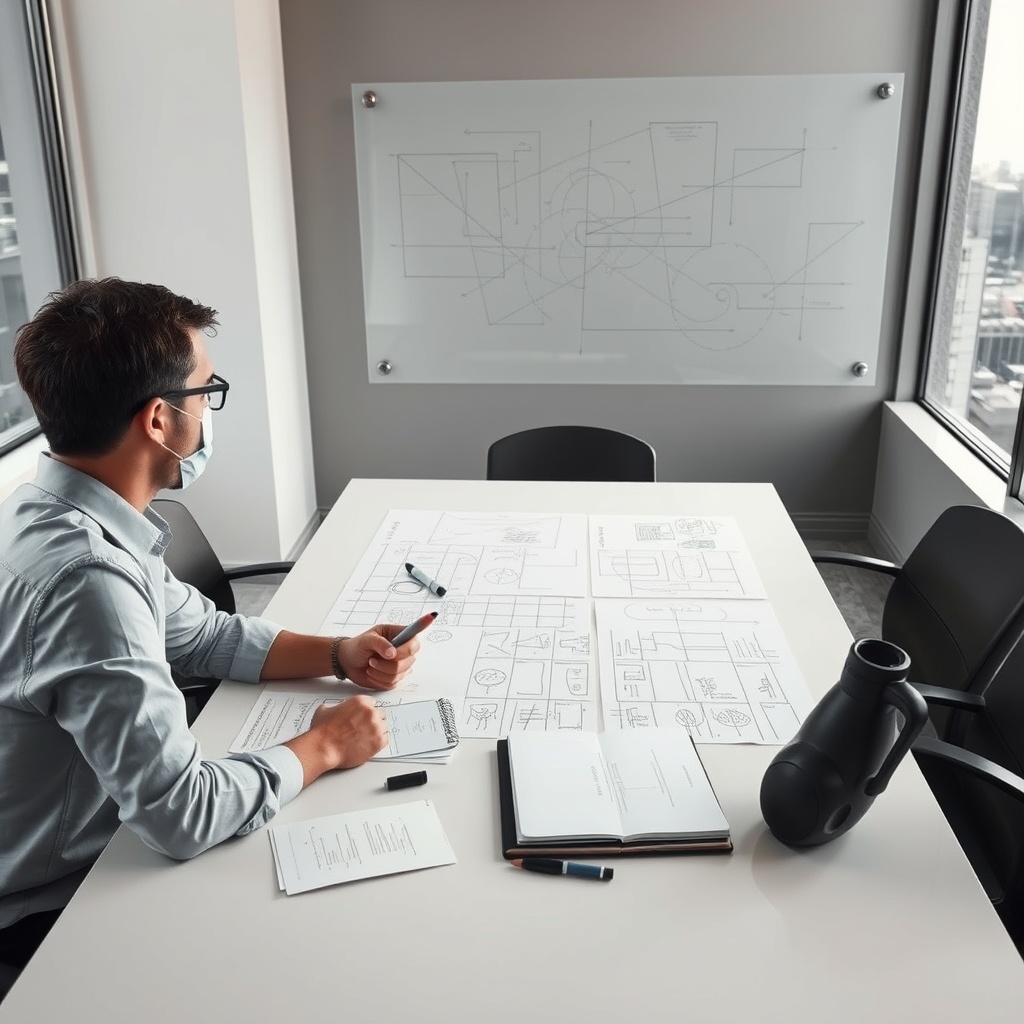
Portland’s business landscape is a mosaic of rapid innovation, DIY maker culture, and fierce competition for mindshare. Once a company partners with a high-caliber design powerhouse like Geeks for Growth, the sheer volume of creative options and fast-paced input from multiple stakeholders can lead to authority confusion. In a city where local authenticity sets brands apart, it’s all too common for owners to discover—after major investments—that their intended message has been diluted by conflicting perspectives or overzealous adaptation to trends.
The fluidity of Portland’s startup and SMB ecosystem means brand decisions rarely unfold in isolation. Local teams are often cross-functional and collaborative, fueling creative energy but also sowing seeds of ambiguity around who approves what—and who is ultimately responsible for consistency. Without a rigorous approach to oversight anchored in the unique commercial realities of Portland, businesses risk brand drift, wasted spend, and campaigns that fail to make a lasting impression on the city’s discerning audience.
Guarding Brand Intent Against Maker Culture Drift
In Portland’s vibrant, craft-driven environment, every branding or design update can turn into a communal event. While community input can surface fresh ideas, unchecked it also introduces subjectivity that chips away at core brand truths. Owners must establish non-negotiable principles—clear parameters that protect authentic storytelling while letting execution remain flexible. If ignored, teams may iterate endlessly, trading strategic clarity for crowd-pleasing novelty.
Clarifying Ownership of Visual Messaging
Portland brands often tap local agencies for one-time deliverables, but lack defined authority over final visual content. Inconsistent messaging emerges when project leads defer to others or simply assume alignment. It is the business owner’s responsibility to define clear approval checkpoints, ensuring no key visual goes live without executive review. Failing to do so can result in aspirational imagery that confuses or alienates local audiences instead of building resonance.
Ensuring Strategic Local Resonance
The Pacific Northwest consumer base values authenticity, sustainability, and story. When design providers are given free rein without accountability on local insight, campaign visuals risk becoming generic or mismatched—a common occurrence in fast-growing companies trying to appeal to everyone. Owners must champion local relevance: set performance expectations for every public asset, and demand validation with representative feedback from actual Portland market segments.
Tracking Accountability for Investor-Ready Presentation Materials
Portland’s robust investment scene means every pitch deck and investor presentation must translate vision into credibility. Agency partners may excel at aesthetics but miss the mark on strategic positioning. It’s crucial for owners to assign executive-level sign-off on all key fundraising materials, treating messages as fiduciary assets. Overlooking this responsibility can stall deals or, worse, leave potential partners questioning operational rigor.
Managing Adaptations for the Retail Shelf and Online Storefronts
Competition in Portland’s retail scene is unforgiving, from indie grocers to bustling Pearl District boutiques. Packaging and website visuals not only need to stand out—they must embody values that resonate with local buyers while remaining scalable as companies grow beyond the city. Oversight here means maintaining a system for reviewing all creative updates, no matter how minor, to eliminate inconsistencies that erode trust at the point of sale.
Formalizing Approval and Feedback Loops
Portland’s informal approach to feedback can blur the line between input and approval, leaving agency partners guessing at priorities. Codifying feedback stages and explicitly documenting decisions ensures everyone—internal and external—knows where authority rests. Without these boundaries, projects become subject to endless iteration and scope creep, making it difficult to achieve on-time, on-message rollout.
Escalation Protocols for Creative Disputes
Creative tension is inevitable, especially when balancing strategic ambition against budget and time constraints. In Portland, where professional networks overlap and relationships are prized, business owners must set escalation paths to resolve disputes quickly and respectfully. Lacking such protocols, teams default to consensus or avoidance, which only spreads confusion and increases the risk of costly rework or public missteps.
This embedded reel underlines the complexity owners face in Portland when balancing high-level web ambitions with operational oversight. As teams race to implement next-generation branding and UI/UX, weak governance around authority and accountability repeatedly results in launches that feel disconnected from the city’s unique consumer psyche. Without intentional oversight, rushed decision cycles override carefully built local trust, leading to costly course corrections post-launch.
Business leaders—especially those scaling from the Silicon Forest to downtown’s creative corridors—must recognize that proactive oversight is not “red tape,” but the foundation for creative agency alignment. When clear boundaries for feedback and escalation are present, providers can operate boldly within a focused brief, and teams can adapt to Portland’s rapid market pressures without sacrificing their core narrative.
| Oversight Area | Owner Focus | Accountability Signal | Outcome When Governed Well |
|---|---|---|---|
| Guarding Brand Intent | Maintain core narrative clarity | Documented story pillars | Every creative output aligns with brand heritage |
| Visual Messaging Approval | Executive sign-off on visuals | Signed decision record | Visuals launch with unified, local resonance |
| Local Resonance Strategy | Market-authentic feedback | Feedback from real PDX audiences | Campaigns feel Portland-native and drive engagement |
| Investor Material Accountability | Protection of investment narratives | CEO/founder sign-off only | Pitch assets drive credibility and growth |
| Retail & Digital Adaptation Handling | Consistent review of updated materials | Version and approval tracking | Packaging and online assets are trusted and recognizable |
| Feedback & Approval Loops | Defined input vs. decision moments | Traceable change logs | Projects move with speed and discipline |
| Creative Escalation Pathways | Planned dispute resolution steps | Pre-agreed escalation contacts | Conflicts solved early with no lingering confusion |
This second reel reinforces how innovation and technology in design can either set a Portland brand apart—or create costly mismatches when business owners aren’t directly engaged in governance. For executive leaders, it’s a reminder that oversight is not about controlling creativity; it’s about safeguarding the brand’s long-term value against short-term trends or process shortcuts. The best outcomes in Portland arise when owners stay involved at critical inflection points, providing both rapid feedback and trusted escalation routes so that agency partnerships remain healthy and productive over time.
Frequent Oversight Failures in Portland Brand Partnerships
- Unclear or shifting final authority, leading to endless feedback cycles
- Failure to distinguish between local trends and core brand values
- Lack of formal escalation plan for creative disagreements
- Executive absence from critical approval moments
- Low accountability for post-launch performance of visuals
- Ignoring customer feedback unique to the Portland market
- Allowing too many gatekeepers, which slows decisions and blurs accountability
Measuring Success Realistically in Portland’s Competitive Arena
Business owners in Portland must evaluate branding and visual solution partners against real commercial progress—not just aesthetics or vague engagement. True oversight means tying project outcomes to revenue cycles: did new messaging accelerate sales velocity or open up new local partnerships? Did design upgrades lead to sustainable market-share growth, as reflected in quarterly numbers and expansion within beloved Portland channels like farmers markets, craft retail, or B2B supplier networks?
Executive oversight also means questioning whether investments in design have translated to the kind of brand stickiness valued by Portland’s discerning stakeholders—buyers, investors, and employees alike. While flashy launches are celebrated downtown, it’s only through mature governance and consistent accountability that visual investments become lasting assets driving brand resilience in the City of Roses.
For more perspectives on maintaining strategic control of your brand story, explore our in-depth insights on the oversight of Portland brand and design partnerships. If you want tips on preserving your business voice as you scale through the Silicon Forest, our guide to navigating agency relationships in Portland’s creative ecosystem will deepen your understanding. To see how oversight best practices improve local market outcomes, our practical playbooks for Portland business owners are a valuable starting point.